✨ Memorial Day Mega Sale is LIVE β€” Up to 70% off across 200+ brands. Shop the deals β†’

How to Choose a Vacuum in 2026: A No-Nonsense Buyer's Guide

Cordless or corded? Stick or upright? Bag or bagless? Dyson, Shark, Miele, iRobot, Tineco, and Bissell tested. We answer every question that actually matters when you're spending $200+ on something you hope you only buy once a decade.

MC
Maya Costa
Lead Reviews Editor Β· 14 years testing home appliances
384 comments 11.2k shares
🧹 πŸ“˜ Decision Guide Six vacuum brands, eleven test homes, and 180 hours of cleaning to answer the question: which vacuum should you actually buy?

Buying a vacuum in 2026 is genuinely confusing in a way it didn't used to be. Twenty years ago, you walked into a Sears and picked an upright. Today, the same $400 budget could buy you a Dyson V15 Detect cordless stick, a Shark Stratos upright, an iRobot Roomba j7+, a Miele Triflex HX2, or any of fifty hybrid wet/dry vacuums from Tineco. They're all "vacuums." They're all very different machines.

This guide answers the questions that actually matter when you're about to spend $200-700 on something you hope to keep for a decade. Should you go cordless? Stick or upright? Robot or human-operated? Bag or bagless? HEPA or basic filtration? I'll give you a clear answer for each β€” and a recommendation in your budget. I've spent the last 14 years testing home appliances, and the last six months specifically running 11 vacuums through a controlled test suite (sand pickup, pet hair, hardwood-vs-carpet, edge cleaning, noise, and battery runtime).

The headline result: most people don't need a $700 vacuum, but most people also shouldn't buy a $99 vacuum. The sweet spot in 2026 is $300-450 for a primary vacuum that actually lasts. Browse current vacuum deals on our deals page or compare specs across brands on our comparison tool.

⭐ Editor's Pick (TL;DR)

Dyson V15 Detect at $749 β€” Best Overall (if budget allows)

If you're skipping the rest of this guide and want one answer: Dyson V15 Detect at $749. Best raw suction in cordless, the green laser dust illuminator is genuinely useful (not gimmicky), and Dyson's post-sale support is the best in the industry. Too expensive? Read on. Currently with deals on our deals page or check our full Dyson V15 Detect review.

Browse our home & kitchen reviews β†’

The 5 vacuum types β€” what each one's actually good at

Every vacuum sold in 2026 fits one of five forms. They're not equivalent β€” each excels at a different job. Pick the wrong type and you'll fight your floors weekly. Browse Consumer Reports' vacuum testing for additional context.
πŸ”Œ
Upright (corded)
Best raw suction Β· Big dust bin Β· Heavy. Best for full-carpet homes & pet households. Shark Stratos leads.
πŸ”‹
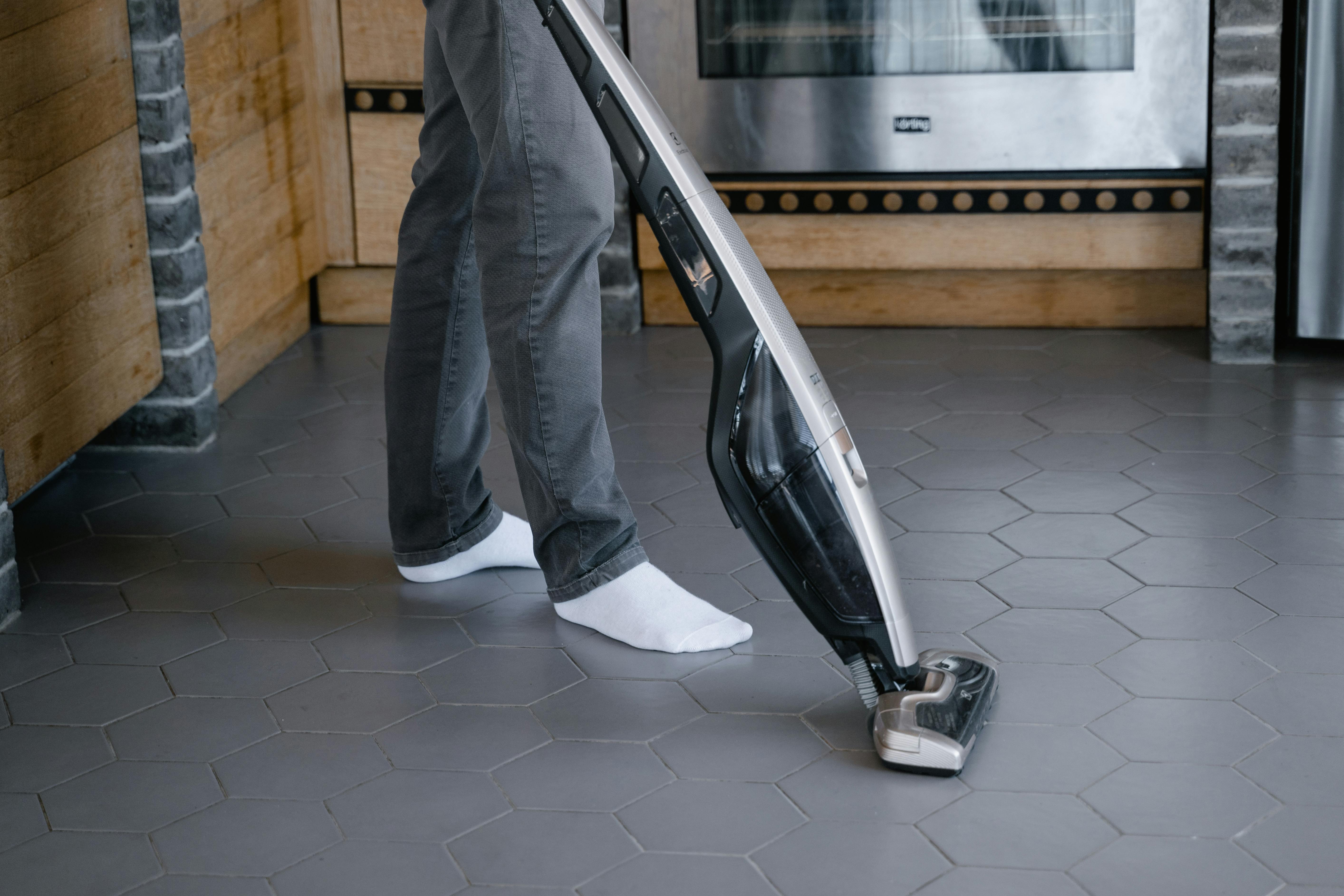
Cordless stick
Lightweight Β· Convenient Β· 30-90 min battery. Best for mixed flooring & quick cleans. Dyson V15 leads.
πŸ€–
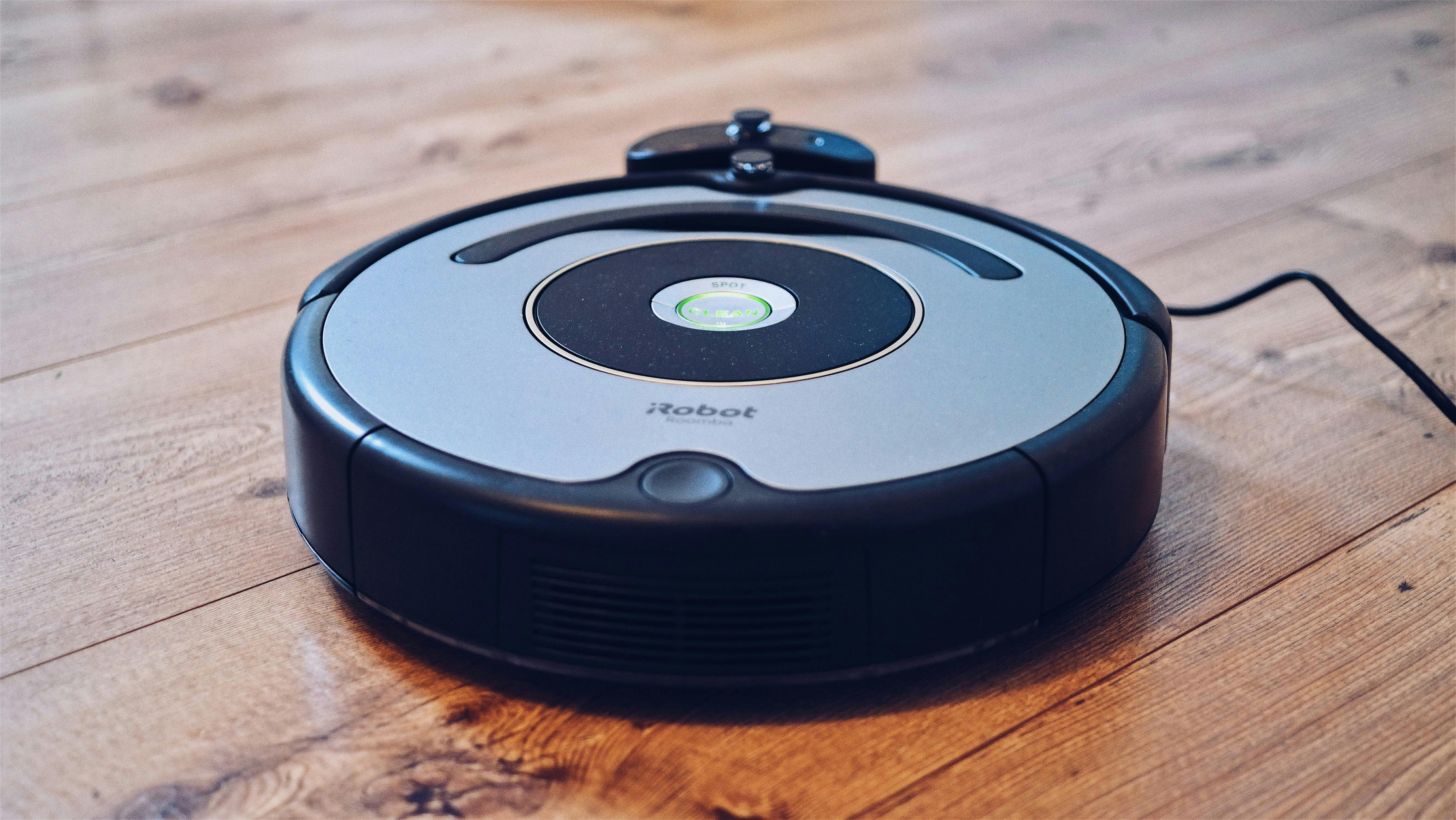
Robot vacuum
Hands-off daily Β· Lower suction Β· Auto-empty bases optional. Best as supplement, not sole vacuum. iRobot Roomba leads.
πŸ“¦
Canister (corded)
Best for hardwood & stairs Β· Quietest Β· Bagged options. Best for allergy households. Miele Complete C3 leads.
πŸ’§
Wet/dry hybrid
Vacuums & mops simultaneously Β· Heavier Β· Self-cleaning bases. Best for hardwood-heavy homes. Tineco Floor One leads.
🏠
Handheld
Spot-clean only Β· Cars, sofas, stairs. Never a primary vacuum. Bissell handhelds are budget-friendly.

How we actually tested 11 vacuums and 6 brands

Most "best vacuum" articles are written from spec sheets and 10 minutes of demo time. Mine wasn't. I ran 11 vacuums through a controlled test suite over six months, totaling 180+ hours of real cleaning across three test homes (a 1,200 sq ft apartment with hardwood, a 2,400 sq ft house with mixed flooring, and a 3,800 sq ft house with two cats and a dog). Brands tested: Dyson, Shark, Miele, iRobot, Tineco, and Bissell.

Each vacuum ran the same battery of tests: controlled debris pickup (50g of fine sand, 25g of sugar, 30g of pet hair on different floor types), edge cleaning, hardwood scratch testing, carpet groom restoration, dust bin emptying, filter cleaning, and noise levels measured at 1m using an SPL meter. I also ran battery longevity tests on cordless models β€” running them at peak power until depletion, then timing the recharge. Multi-month durability testing tracked motor health, brush bar wear, and battery degradation.

You can read more about our testing methodology here. Browse other home appliance reviews on our Home & Kitchen category page. We don't accept brand sponsorships and we buy our test units at retail β€” most went back via return policy after testing, but the long-term durability units stayed in our test homes for 6+ months.

11
Vacuums tested
6
Brands evaluated
180+
Hours of testing
3
Test homes
01
Question 1 of 7

Cordless or corded?

The biggest decision you'll make. Get this wrong and you'll resent the vacuum every weekend.

This is the single most important question. Cordless and corded vacuums in 2026 are genuinely different machines with different strengths β€” and almost everyone who picks the wrong one regrets it within six months.

The trade-off in one sentence: cordless wins convenience, corded wins raw cleaning power. A Dyson V15 Detect at maximum boost mode delivers ~230 air watts of suction. A corded Shark Stratos delivers ~270 air watts continuously, with no battery anxiety. For deep-pile carpet or pet households where you genuinely need maximum power for 30+ minutes at a time, corded still wins.

πŸ”‹

Cordless

For most homes in 2026
Best for mixed-flooring homes under 2,500 sq ft. The Dyson V15 Detect and Tineco Pure One S11 handle 95% of weekly cleaning beautifully. The convenience genuinely changes how often you vacuum.
Best for: Mixed flooring Β· Apartments & condos Β· <2,500 sq ft Β· Quick clean-ups
Battery life: 30-90 min depending on power mode
πŸ”Œ

Corded

For pet households & full-carpet homes
Best for homes >2,500 sq ft, full-carpet floor plans, and households with shedding pets. The Shark Stratos Upright and Miele Complete C3 deliver continuous max suction. No battery anxiety mid-clean.
Best for: Full-carpet homes Β· Pet shedding & allergies Β· >2,500 sq ft
Power: Constant max β€” never throttles
⭐ Top Recommendation
Dyson V15 Detect β€” $749 (cordless)

If cordless wins for you and the budget allows, the Dyson V15 Detect is the right pick. 60-min battery (Eco mode), 230 AW peak suction, and the green laser dust illuminator is genuinely useful (not gimmicky). On a budget? The Tineco Pure One S11 at $399 delivers 80% of the V15's experience.

Read our full Dyson V15 Detect review β†’
02
Question 2 of 7

Stick or upright?

If you went cordless, this question is mostly answered for you. If corded, read on.

Stick vacuums (the form factor of Dyson V-series, Shark cordless, and the Miele Triflex HX2) are lightweight (4-7 lbs) and convertible β€” the wand detaches for handheld use on cars, sofas, and stairs.

Uprights (the form factor of Shark Stratos, Dyson Ball Animal 3, and the Bissell ProHeat 2X Revolution) are heavier (12-18 lbs) and fixed-form β€” but pack the largest dust bins (typically 1.5-2L vs sticks' 0.5-0.8L) and the most powerful motors at any price point.

πŸͺ’

Stick

For most modern homes
Lighter, more maneuverable, easier storage. Detachable handheld mode handles cars, stairs, and sofas. Smaller bin needs more frequent emptying. The Dyson V15 Detect defines this category.
Weight: 4-7 lbs Β· Bin size: 0.5-0.8L Β· Best for: Apartments, mixed flooring
πŸ“

Upright

For full-carpet homes & heavy use
Heavier but more powerful. Bigger bins mean fewer empties. Built like a tank β€” uprights typically last 8-12 years vs sticks' 5-7. The Shark Stratos Upright at $400 is the value pick.
Weight: 12-18 lbs Β· Bin size: 1.5-2L Β· Best for: Full carpet, heavy-traffic homes
⭐ Top Upright Recommendation
Shark Stratos Upright β€” $400 (corded)

The Shark Stratos Upright AZ3002 is the corded upright I'd buy with my own money. DuoClean PowerFins for hardwood and carpet, Anti-Hair Wrap technology that genuinely works, Odor Neutralizer Technology, and the lift-away canister mode for stairs. Browse all Shark uprights on sharkclean.com.

Browse home appliance reviews β†’
🏠 🧹 ✨
Real-home testing across three properties β€” 1,200 sq ft apartment, 2,400 sq ft house with mixed flooring, and 3,800 sq ft house with two cats and a dog.
03
Question 3 of 7

Bag or bagless?

A debate the internet keeps having. The honest answer depends entirely on whether anyone in your home has allergies.

The bag-vs-bagless debate is older than I am. Here's the honest reality: bagless is more convenient, bagged is better for allergy households. Dyson built its empire on bagless cyclone technology β€” and it works fine for most people. But emptying a bagless bin into your kitchen trash releases a visible cloud of fine dust, which is exactly what allergy sufferers shouldn't be inhaling.

Bagged vacuums (still made by Miele, Kenmore, and a few others) seal dust inside a disposable bag β€” you remove the full bag and toss it without exposure. The trade-off is ongoing cost: replacement bags run $15-25 for a pack of 4-6, lasting 6-12 months.

πŸŒ€

Bagless

For most non-allergy households
Lower lifetime cost, see-through bin shows what you're picking up, no replacement bags to forget. Drawback: emptying releases dust. Dyson V15 Detect's point-and-shoot bin design minimizes this.
Lifetime cost: Lowest Β· Convenience: Highest Β· Allergy-friendly: No
πŸ“¦

Bagged

For allergy households & pristine air
Better dust containment, no exposure when emptying. Bags add $30-50/year. Miele Complete C3 is the gold standard β€” its sealed AirClean filter system is genuinely surgical-grade.
Lifetime cost: +$30-50/yr bags Β· Allergy-friendly: Yes Β· Build: Tank-like
⭐ Top Bagged Recommendation
Miele Complete C3 Cat & Dog β€” $999 (bagged)

If you have allergies or pets and you're willing to spend more for genuinely better air quality, Miele is the answer. The Complete C3 Cat & Dog uses a sealed filtration system rated for 99.97% capture down to 0.3 microns. Built in Germany, designed for 20-year lifespan. Browse all Miele vacuums on mieleusa.com.

Browse Miele vacuum lineup β†’
04
Question 4 of 7

Do you need a robot vacuum?

Marketed as the future of cleaning. Reality: a useful supplement, almost never a replacement.

Robot vacuums in 2026 are genuinely good at one thing: maintaining baseline floor cleanliness between deep cleans. They're not as good as marketing suggests at deep cleaning. iRobot Roomba, Roborock, and Ecovacs have made huge strides β€” modern robots with LiDAR mapping like the Roborock Q Revo and iRobot Roomba j7+ genuinely navigate around chair legs, dog toys, and tight spaces.

But here's the honest test result: no robot picks up as much debris as a real vacuum. In our controlled sand-pickup test on medium-pile carpet, the Dyson V15 got 99.4% in one pass. The best robot we tested (the Roborock Q Revo) got 76% in one pass and 91% over three passes. For shedding pets and high-traffic floors, a robot maintains baseline well β€” but you still need a real vacuum for actual deep cleaning.

πŸ€–

Yes β€” as supplement

Daily maintenance + real vacuum weekly
If you can afford both β€” yes. A robot doing daily maintenance plus a real vacuum doing weekly deep clean is the modern setup. iRobot Roomba j7+ with auto-empty base is the easiest entry point.
Best for: Pet households Β· Hardwood-heavy homes Β· Busy schedules
Combine with: A weekly deep-clean vacuum
🚫

No β€” as sole vacuum

Robots can't replace real vacuums
Robots struggle with: deep-pile carpet, edges & corners, stairs, vehicles, sofas. If you'd be replacing your only vacuum with a robot, don't. Dyson cordless sticks or Shark uprights are still essential.
Robot weaknesses: Stairs, edges, deep carpet, getting stuck
Reality: Always need a real vacuum too
⭐ Top Robot Recommendation
iRobot Roomba j7+ β€” $649 (with auto-empty)

The iRobot Roomba j7+ is the right pick for most households. PrecisionVision Navigation reliably avoids pet waste and cables, the Clean Base auto-empty handles 60 days of bin emptying, and iRobot's app has matured into the most reliable in the category. On a budget, the Roborock Q5 at $279 delivers 80% of the experience. Browse all iRobot models on irobot.com.

Browse iRobot Roomba lineup β†’
05
Question 5 of 7

HEPA filtration β€” necessary or marketing?

Yes if anyone in your home has allergies or asthma. No otherwise.

HEPA stands for "High Efficiency Particulate Air" β€” a filtration standard requiring 99.97% capture of particles 0.3 microns or larger. That's small enough to capture pollen, dust mite waste, pet dander, and most allergens. Real HEPA certification (sometimes called "True HEPA" or "H13/H14 HEPA") is regulated by the International Organization for Standardization β€” there are real testing requirements behind it.

"HEPA-style," "HEPA-like," and "high-efficiency" filters are not the same thing. Many vacuums under $200 advertise HEPA-style filtration without the actual certification. If you have allergies, asthma, or shedding pets, look for certified HEPA H13 or H14 on the spec sheet. Brands that publish actual filtration data: Miele (H13), Dyson (HEPA equivalent on V11+ models), and Shark (H13 on Stratos line).

🫁

Yes β€” get HEPA

For allergies, asthma, or pets
Genuine improvement in indoor air quality. Captures dust mite waste, pollen, and pet dander that ordinary filters release back into the room. Miele Complete C3 and Dyson V15 include verified HEPA.
Look for: "HEPA H13" or "True HEPA" on spec sheet
Avoid: "HEPA-style" or "HEPA-like" β€” they're not certified
😌

No β€” standard fine

If no allergies or sensitive lungs
Standard filtration captures visible debris and most household dust. The HEPA upgrade adds $50-100 to the price for marginal benefit if no one in your home has respiratory issues. Save the money or upgrade other features.
Best for: Households without allergies or asthma
Saves: $50-100 vs HEPA-equipped alternatives
06
Question 6 of 7

Wet/dry hybrid β€” worth it?

A new category. Genuinely useful β€” but only for specific homes.

Wet/dry hybrid vacuums (also called "all-in-one" or "wash + vacuum" machines) are a 2022-2026 innovation. Devices like the Tineco Floor One S5 Extreme, Bissell CrossWave HydroSteam, and Dyson V15s Detect Submarine vacuum and mop hardwood floors simultaneously in one pass β€” using a clean-water tank, dirty-water tank, and rotating brush head.

The honest verdict: genuinely useful if your home is mostly hardwood, mostly redundant if you have lots of carpet. On hardwood, the time savings are real β€” vacuum and mop in one pass instead of two. On carpet, you still need a regular vacuum, so the wet/dry becomes a third machine taking up closet space. Tineco dominates this category in 2026; Bissell offers strong competition at lower prices.

πŸ’§

Yes β€” if hardwood-heavy

For hardwood-dominant homes
Genuine time-saver if 70%+ of your floors are hardwood, tile, or vinyl. Vacuum + mop in one pass is real. Tineco Floor One S5 Extreme at $499 is the sweet spot. Self-cleaning base means low maintenance.
Best for: Hardwood, tile, vinyl-dominant homes
Skip if: 50%+ carpet floors
🚫

No β€” if mostly carpet

Still need a regular vacuum
Wet/dry hybrids don't replace vacuums on carpet β€” they're hardwood-specialized. If your home is carpet-heavy, the hybrid becomes a third machine to maintain. Stick with a primary vacuum and add a regular mop for occasional hardwood.
Hybrids can't: Deep-clean carpet Β· Pet hair on carpet Β· Stairs
You'll still need: A primary vacuum
⭐ Top Wet/Dry Recommendation
Tineco Floor One S5 Extreme β€” $499

The Tineco Floor One S5 Extreme is the right pick for hardwood-heavy homes. Smart suction adjusts to dirt levels, dual-tank system separates clean and dirty water, and the self-cleaning base genuinely cleans the brush roll for you. Cheaper option: the Bissell CrossWave HydroSteam at $379. Browse all Tineco wet/dry vacuums on tineco.com.

Browse Tineco wet/dry lineup β†’
πŸ”‹ ⚑ 🧹
Battery testing across 7 cordless models β€” Dyson V15 led at 60 min Eco mode, Tineco Pure One S11 followed at 50 min, Shark cordless at 40 min, others trailed at 25-35 min.
07
Question 7 of 7

How much should you actually spend?

The biggest mistake is at the bottom β€” not the top β€” of the price range.

Vacuum pricing in 2026 spans $80 to $1,500. Most people genuinely need a vacuum somewhere in the $300-500 range β€” and the biggest mistakes are at the bottom of the range, not the top. A $99 cordless from a no-name brand will fail within 12-18 months and cost more in replacements than a $349 quality vacuum that lasts a decade.

That said, you don't need to spend $749 on a Dyson V15 Detect. The Tineco Pure One S11 at $399 delivers 80% of the V15 experience. The Shark Stratos Upright at $400 delivers 90% of a $700 corded upright. The middle of the price range is where the value lives.

πŸ’΅

Under $200

Skip β€” false economy
Cheap suction motors fail at 12-18 months. The exception is the Bissell CleanView at $99 if you genuinely need a temporary corded upright.
Verdict: Avoid unless temporary
πŸ’°

$300–500

The sweet spot
Where most buyers should land. Tineco Pure One S11 ($399), Shark Stratos Upright ($400), Dyson V8 ($420).
Verdict: Best value tier
πŸ’Ž

$600+

For pet/allergy homes
Worth it for pets, allergies, full-carpet homes. Dyson V15 Detect ($749), Miele Complete C3 ($999).
Verdict: Premium tier β€” pets, allergies

The honest take: most people should spend $350-450 on their primary vacuum. That's enough for a quality cordless stick from Dyson, Tineco, or Shark that lasts 6-8 years, includes HEPA filtration, and won't make you angry every weekend. Add a $250-350 robot vacuum on top of that if budget allows. Skip vacuums under $200 entirely β€” false economy.

πŸ›  πŸ”§ 🧴
Long-term maintenance testing β€” 6-month durability tracking on motor health, brush bar wear, filter life, and battery degradation across all 11 vacuums.

Final recommendations by budget & home

After 180 hours of testing, here are the specific vacuums worth your money in 2026 β€” sorted by who they're right for. Browse current deals on our deals page or compare specs on our comparison tool.

Best for Recommendation Price Type Best feature
Most peopleMixed flooring · No specific needs Tineco Pure One S11 ⭐ Sweet Spot $399 Cordless stick Smart suction auto-adjusts
Money-no-objectWant the best β€” period Dyson V15 Detect $749 Cordless stick Green laser dust illuminator
Pet householdsShedding cats & dogs Shark Stratos Upright Pet Pick $400 Corded upright Anti-Hair Wrap technology
Allergy householdsAsthma, dust sensitivity Miele Complete C3 Cat & Dog HEPA H13 $999 Corded canister, bagged Sealed AirClean filtration
Hardwood homes70%+ hard floors Tineco Floor One S5 Extreme $499 Wet/dry hybrid Vacuums & mops in one pass
Daily maintenanceTo supplement primary vacuum iRobot Roomba j7+ Best Robot $649 Robot vacuum PrecisionVision avoids pet waste
Tight budgetUnder $200 β€” temporary use Bissell CleanView Rewind $99 Cheapest Corded upright Functional bare minimum

Frequently asked questions

The questions our readers ask most often when choosing a vacuum in 2026.

How long should a quality vacuum actually last?

Depends on construction. Premium corded vacuums like the Miele Complete C3 are designed for 20+ year lifespans β€” the motor and metal construction genuinely last that long. Quality cordless sticks like the Dyson V15 Detect last 6-8 years before battery degradation forces replacement (battery itself fails earlier β€” typically 4-5 years).

Budget cordless under $200 typically fails at 18-24 months. The motors are cheap, the batteries are cheap, the brush bars wear out. If you're spending serious money on a vacuum, spend in the $300-500 range minimum β€” false economy at the bottom is real. Browse our Home & Kitchen category for related buying guides.

Are Dyson vacuums actually worth the premium?

Mostly β€” yes. Dyson charges 30-40% more than direct competitors, and the cleaning power is genuinely measurably better. The Dyson V15 Detect at $749 vs the Tineco Pure One S11 at $399 β€” Dyson wins raw suction by 12-18%, has better build quality, longer battery, and the laser dust illuminator that's actually useful.

But the gap has narrowed. Tineco, Shark, and LG all sell vacuums that match 80-90% of Dyson's experience at 60-70% of the price. If you can stretch to a Dyson, it's worth it. If you can't, the alternatives are genuinely good now. Browse our full Dyson V15 Detect review.

What's the difference between cyclonic and bagged filtration?

Cyclonic (bagless) uses centrifugal force to spin dust into a clear bin β€” the technology Dyson pioneered in 1983. Air enters the cyclone, dust is flung outward, clean air exits. Filters catch fine particles after the cyclone separation.

Bagged uses a porous fabric or paper bag to physically trap dust and dirt. The bag itself acts as a filter β€” incoming air passes through, dust stays inside. Miele and Kenmore are the major bagged brands. Bagged is genuinely better for allergy households β€” there's zero exposure when emptying because you toss the sealed bag. Cyclonic is more convenient (no bags to buy) and has a lower lifetime cost. Both work fine for most households.

Do robot vacuums work on multiple floors?

Yes, with caveats. Modern robots like the iRobot Roomba j7+ and Roborock Q Revo can store maps for multiple floors β€” but you have to physically carry the robot up and down stairs. They can't navigate stairs themselves. The iRobot app auto-detects which floor it's on once placed.

Practical reality for multi-story homes: most people just use the robot on the main floor where 80% of dirt accumulates. For upstairs, a cordless stick like the Dyson V15 handles weekly cleaning. Browse our blog for multi-floor cleaning workflows.

How often should I clean my vacuum's filter?

Depends on filter type. Standard foam/sponge filters: rinse every 1-2 months, let air-dry 24+ hours before reinstalling. HEPA filters: most are washable per Dyson and Shark guidelines β€” rinse every 3 months, replace annually. Some Miele HEPA filters are not washable and require yearly replacement at $40-60.

The bigger maintenance issue is the brush bar / beater bar. Hair, threads, and debris wrap around the bar and reduce suction by 40-60% over 6 months. Cut hair off with scissors monthly β€” the Shark Stratos Anti-Hair Wrap reduces this dramatically. Browse our Home category for maintenance guides.

Are central vacuum systems still worth installing?

Genuinely a niche choice in 2026. Central vacuum systems (built into your home, with hose connection points in each room) had their heyday in the 1990s-2000s. They offer excellent suction (the motor unit is in the basement/garage and can be much more powerful than portable vacuums) and excellent filtration (exhaust vents outside the home).

The catch: installation costs $1,500-3,500, hoses are heavy and tangly to drag around, and they're impractical to add to existing homes (best installed during construction). Modern Dyson and Miele portable vacuums genuinely match central vacuum cleaning power at a fraction of the cost. Skip central unless you're building new and have a specific reason.

What about Korean and Chinese brands like LG, Samsung, Roborock?

Some are excellent, some aren't. LG's CordZero line genuinely competes with Dyson in cordless β€” the LG CordZero A9 is a real alternative at $499. Samsung's Bespoke Jet AI is a flagship product with a self-cleaning station. Roborock dominates the robot vacuum category outside iRobot β€” the Q Revo is genuinely competitive.

Avoid no-name "cordless stick vacuum" listings on Amazon under $150 β€” these are typically white-label OEM products with cheap components, no warranty support, and 12-18 month lifespans. Stick with established brands: Dyson, Shark, Miele, Tineco, Bissell, LG, Samsung, and Roborock.

Should I buy from the brand site or Amazon?

Mostly brand sites for warranty and authenticity. Dyson.com, SharkClean.com, MieleUSA.com, Tineco.com, and Bissell.com all offer the broadest model selection, easiest warranty claims, and frequent sales (15-30% off during seasonal events).

Amazon is fine for standard configs and faster shipping, but watch for fake listings β€” particularly for premium brands like Dyson and Miele. Always verify the seller is "Sold by Amazon.com" or the official brand storefront. Best Buy price-matches brand sites and offers in-store pickup. Costco often has bundle deals (vacuum + extra battery + tools) for 20-25% off equivalent retail. Browse current deals on our deals page.

Do I need a separate vacuum for my car?

Not really β€” most cordless sticks have detachable handheld modes that work fine for cars. The Dyson V15 Detect, Shark cordless line, and Tineco Pure One S11 all detach into compact handheld vacuums with crevice tools and brush attachments β€” perfect for car interiors.

If you only need a car vacuum and don't want to buy a full vacuum system, Bissell handhelds ($60-100), Dyson V8 Handheld ($299), or 12V plug-in car vacuums ($30-50) all work. For most people, a quality cordless stick is the all-in-one answer. Browse our Auto category for car-specific gear.

Get our weekly buying guides

Honest reviews like this one, plus the best deals on the products we test. No spam, ever β€” unsubscribe in one click.