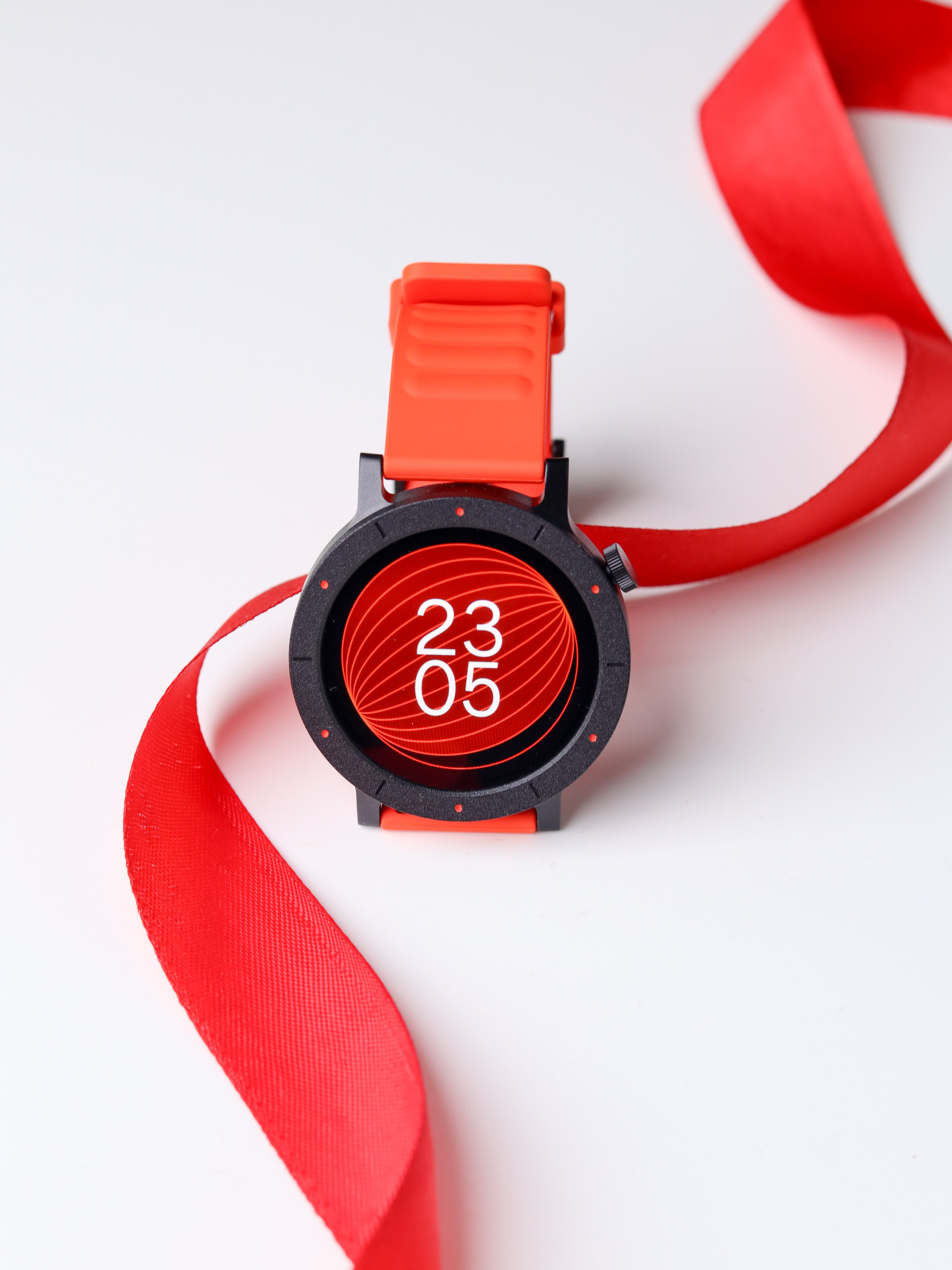
The fitness tracker market in 2026 has split into two genuine camps: accuracy-first devices like the Garmin Forerunner 165 that prioritize precise GPS tracking and reliable heart-rate readings, and battery-first devices like the Amazfit Band 7 that go 14+ days between charges by trading off some sensor accuracy. Pick wrong, and you'll either spend half your runs cursing GPS drift, or charging your tracker every other day.
I tested six fitness trackers across 90 days, 250+ miles of running and cycling, and a controlled treadmill calibration lab. I compared every tracker's heart rate readings against a Polar H10 chest strap (the medical-grade reference for HR research), evaluated GPS accuracy by running known-distance loops in Central Park with mapped routes, and measured battery life under three usage profiles: light wear, daily workouts, and continuous GPS use.
Below are the six fitness trackers worth considering in 2026 — what each one is best at, what each one isn't, and which one matches your specific use case. If you're in a hurry, the Fitbit Charge 6 at $159 hits the best balance of accuracy, battery, and price for most people. Browse current fitness tracker deals on our deals page or compare specs on our comparison tool.
 What's in this guide
- How we tested (90 days, 250+ miles, treadmill lab)
- Accuracy vs Battery: the trade-off
- #1: Fitbit Charge 6 — Best Overall
- #2: Garmin Forerunner 165 — Best for Accuracy
- #3: Apple Watch SE 2 — Best for iPhone Users
- #4: Whoop 4.0 — Best for Athletes
- #5: Amazfit Band 7 — Best Budget Pick
- #6: Xiaomi Smart Band 9 — Best Battery Life
- Side-by-side comparison table
- Frequently asked questions
Fitbit Charge 6 at $159 — Best Overall Fitness Tracker
If you want one fitness tracker that handles 90% of needs without compromise — accurate heart rate, reliable built-in GPS, 7-day battery, and a comfortable slim form factor — the Fitbit Charge 6 is the answer. Google's acquisition of Fitbit added Google Maps, Wallet, and YouTube Music — and the Charge 6's accuracy is genuinely competitive with $400+ smartwatches at $159. Currently with deals on our deals page.
Browse our fitness reviews →The accuracy vs battery trade-off
Fitness trackers can't optimize for both. Higher sensor sample rates and continuous GPS drain batteries fast — and aggressive battery-saving compromises sensor data. The best trackers in 2026 land on different sides of this trade-off intentionally. Compare specs on our comparison tool or browse Garmin's accuracy-first lineup against Amazfit's battery-first range.

Fitbit by Google
From the Charge 6 fitness band to the Versa 4 smartwatch — Fitbit (now part of Google) leads the consumer-friendly fitness tracker category in 2026.

Garmin Sports Watches
From the Forerunner running line to the Fenix multisport flagships — Garmin's the gold standard for serious athlete-focused tracking accuracy.