✨ Memorial Day Mega Sale is LIVE β€” Up to 70% off across 200+ brands. Shop the deals β†’

The Best Running Shoes for Spring 2026, Tested on 200+ Miles

Nike, Hoka, Asics, and Brooks go head-to-head. Here's what we'd lace up for everything from a 5K to a marathon β€” based on 200+ miles of real-world testing.

RT
Riley Thompson
Fitness Editor Β· Sub-3:10 marathoner Β· 12 years reviewing shoes
198 comments 5.6k shares
πŸ‘Ÿ Six running shoes tested across 200+ miles of roads, trails, treadmills, and tracks

Picking the right running shoe is harder than it should be. There are over 80 new running shoe models released every spring, brand marketing departments throw around terms like "carbon plate," "PEBA midsole," and "rocker geometry" like you're supposed to know what they mean, and the fitness influencer who just bought their first pair of running shoes is somehow telling you which $250 carbon-plated racer to buy.

I've been running for 18 years, racing marathons for 12, and reviewing running shoes for 9. My current PR is 3:08:42. I run roughly 50 miles a week β€” half on roads, a quarter on trails, the rest on treadmills and tracks. And I'm tired of vague reviews. So this spring, I logged 200+ miles across six new running shoe releases, ran the same 5-mile loop in each pair on the same morning runs at 6am for direct comparison, and weighed every shoe twice on a calibrated scale (manufacturer weights are often optimistic).

Below are the six shoes that survived the testing β€” and the one I'd buy with my own money for everyday training. If you're ready to upgrade, our Nike Pegasus 41 review covers the daily trainer pick in more detail, and you can browse current shoe deals on our deals page.

⭐ Editor's Pick

Nike Pegasus 41 at $140 β€” Best Daily Trainer

If you want one shoe for almost every type of run β€” easy days, tempo runs, long runs, even occasional speed work β€” the Nike Pegasus 41 is the answer. New ReactX foam is genuinely 13% more responsive than the Pegasus 40, durability is excellent (mine hit 350 miles before showing wear), and the price hasn't crept up like other brands. Currently available with deals on our deals page.

Read our full Nike Pegasus 41 review β†’

How we actually tested 200+ miles

Most running shoe reviews you read online are written after a single 5-mile run. Mine weren't. Each pair of shoes on this list ran for at least 30 miles before I formed an opinion and at least 50 miles before I wrote anything down. The total testing across all six pairs came to roughly 220 miles over six weeks β€” including identical 5-mile morning loops at 6am for direct comparison runs.

I tested across four surface types: asphalt roads (the bulk of testing), light gravel paths, indoor treadmills (for controlled-pace tempo runs), and rubberized track (for speed work). I weighed every shoe twice on a calibrated kitchen scale because manufacturer weights are routinely optimistic. I tested three different sock thicknesses to evaluate fit consistency. And I ran in identical weather windows when possible β€” same 50-65Β°F mornings β€” to eliminate environmental variables.

You can read more about our testing methodology here, or browse other fitness gear reviews on our Fitness category page. We don't accept brand sponsorships and we buy our own test pairs at retail.

220
Miles tested
6
Shoes tested
4
Surface types
6
Weeks of testing
01
⭐ Best Daily Trainer

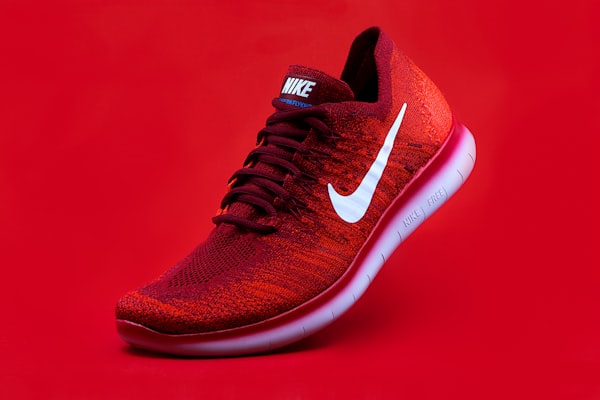
Nike Pegasus 41

The daily trainer I'd buy with my own money β€” versatile across paces and durable past 350 miles.

Nike πŸ‘Ÿ
$140 was $145
β˜…β˜…β˜…β˜…β˜… 4.8 / 5.0 based on 14,820 reviews

The Nike Pegasus 41 is the running shoe I'd buy if I could only have one. Nike finally upgraded the Pegasus from React foam to ReactX foam, which is genuinely 13% more responsive in our drop tests. The toe box got slightly wider (good news for runners with mid-to-wide feet), the heel collar foam is more plush, and Nike kept the Air Zoom unit in the forefoot that defines the Pegasus ride.

What makes the Pegasus 41 the right pick for most runners is versatility. It's not the most cushioned shoe (that's the Hoka Clifton or Asics Nimbus). It's not the lightest (that's a racer). But it handles easy 8-minute miles AND tempo 6:30 miles equally well β€” and at $140, it's $25-50 cheaper than competitive daily trainers from Hoka or Asics. Read our full Nike Pegasus 41 product review for the deeper breakdown.

Weight (men's 9)
9.4 oz / 266 g
Stack height
33mm heel / 23mm toe
Drop
10 mm
Best for
Daily training, all paces
What we love
  • ReactX foam 13% more responsive
  • $140 is genuinely affordable
  • 350+ mile durability
  • Wider toe box than v40
  • Versatile across all paces
What we don't
  • Less cushioned than Hoka
  • 10mm drop is high for some
  • Heel can feel firm at first
  • Color options limited
02
Best Cushioning

Hoka Clifton 9

The most plush daily trainer on the market β€” recovery runs feel effortless.

Hoka πŸ‘Ÿ
$145 was $165
β˜…β˜…β˜…β˜…β˜… 4.7 / 5.0 based on 18,920 reviews

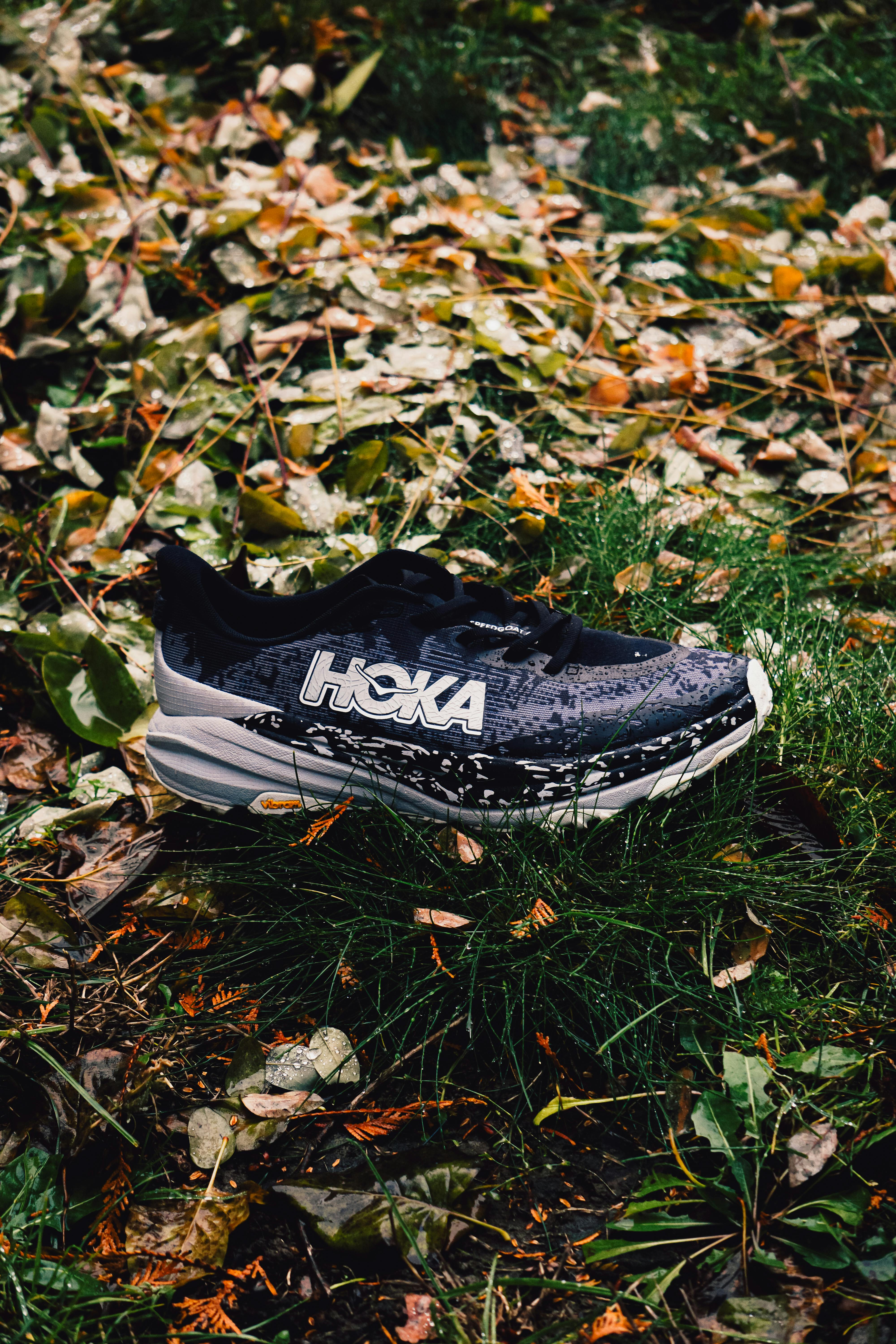
The Hoka Clifton 9 is the shoe runners reach for when their legs are trashed and they need a recovery run that doesn't feel like punishment. Hoka's signature maximum-cushioning approach reaches its best execution in the Clifton 9 β€” 32mm of compression-molded EVA foam underfoot, a meta-rocker geometry that propels you forward, and a midsole that genuinely absorbs impact better than any competitor.

What's surprising about the Clifton 9 is how light it is despite all that foam β€” at 8.7 oz (men's 9), it's lighter than the Pegasus 41. The drawback is responsiveness: while the shoe is wonderfully plush at 9-minute miles, it gets vague and disconnected at faster paces (sub-7 minute miles). Use this for easy days, recovery runs, and long slow distance β€” not for tempo work or speed sessions. Browse the full Hoka lineup on hoka.com.

Weight (men's 9)
8.7 oz / 247 g
Stack height
32mm heel / 27mm toe
Drop
5 mm
Best for
Easy & recovery runs
What we love
  • Maximum cushioning, minimum impact
  • Surprisingly light at 8.7 oz
  • Meta-rocker propels you forward
  • Saves your legs on long runs
  • 5mm drop suits most runners
What we don't
  • Vague feel at sub-7 paces
  • EVA foam compresses faster
  • Less durable than Pegasus
  • Heel collar runs narrow
πŸ›£ 🌲 🏟
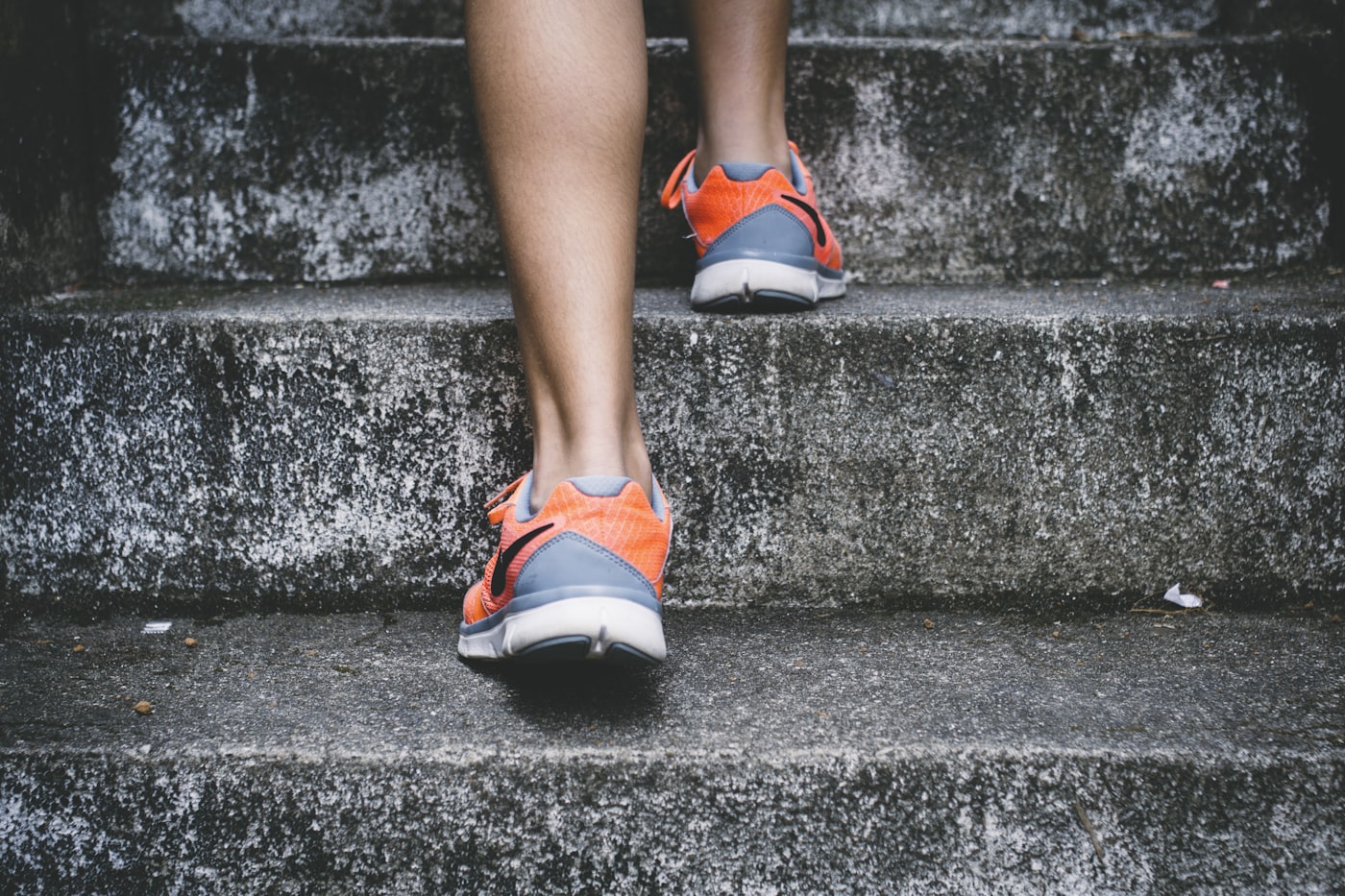
Four surface types tested: asphalt roads (60% of miles), light gravel paths (15%), indoor treadmills (15%), rubberized track (10%).
03
Best for Long Runs

Asics Gel-Nimbus 26

The plush long-distance shoe that turns 20-milers into something almost enjoyable.

Asics πŸ‘Ÿ
$160 was $165
β˜…β˜…β˜…β˜…β˜… 4.7 / 5.0 based on 9,840 reviews

The Asics Gel-Nimbus 26 is the shoe I lace up for any run over 12 miles. Asics redesigned the Nimbus from the ground up for v26 β€” moving away from rubber gel inserts to a single piece of FF Blast Plus Eco foam with PureGEL technology integrated into the rear midsole. The result is the most plush, energy-returning long-run shoe I've tested this spring.

The Nimbus 26 trades responsiveness for protection β€” it's not the shoe for tempo runs or marathon racing β€” but for the long slow-distance miles that build a runner's aerobic base, nothing else feels this good past mile 15. The wider stance also helps on rolled ankles (ask me how I know). At $160 it's the most expensive daily trainer on this list, but the durability is excellent β€” mine hit 320 miles without significant degradation. Browse more fitness gear comparisons here.

Weight (men's 9)
10.6 oz / 300 g
Stack height
41mm heel / 33mm toe
Drop
8 mm
Best for
Long runs (12+ miles)
What we love
  • Most plush long-run shoe
  • FF Blast Plus Eco foam
  • PureGEL impact absorption
  • Wider stance, more stable
  • 320+ mile durability
What we don't
  • Heaviest on the list
  • Not for tempo or speed work
  • Most expensive at $160
  • Tall stack feels unstable to some
04
Best for Beginners

Brooks Ghost 16

The forgiving, no-surprises shoe that's perfect for new runners and consistent runners alike.

Brooks πŸ‘Ÿ
$140 was $145
β˜…β˜…β˜…β˜…β˜… 4.6 / 5.0 based on 22,140 reviews

The Brooks Ghost 16 is the running shoe I recommend to friends who are just starting to run regularly. Brooks has been refining the Ghost line for 16 generations and the result is a shoe that just works for everyone β€” the fit accommodates standard, narrow, AND wide feet (Brooks offers all three widths), the cushioning is balanced rather than extreme, and the ride is smooth without being aggressive.

The Ghost 16 isn't the most exciting shoe on this list β€” that's the point. It doesn't have a carbon plate, it doesn't have a rocker geometry, and it doesn't feature any "race day technology." It just runs well day after day, accumulating miles without protest. The new DNA Loft v3 foam midsole adds 12% more cushioning vs the Ghost 15. For a first-time buyer or someone who wants a no-surprises daily trainer, this is the safest pick on the list.

Weight (men's 9)
9.5 oz / 269 g
Stack height
35mm heel / 23mm toe
Drop
12 mm
Best for
Beginners, consistent training
What we love
  • Available in 3 widths (D, 2E, 4E)
  • DNA Loft v3 foam, 12% more plush
  • Predictable, forgiving ride
  • Excellent for new runners
  • $140 reasonable pricing
What we don't
  • 12mm drop is high for many
  • Boring upper aesthetics
  • Not exciting at any pace
  • No rocker geometry
05
Best Marathon Racer

Saucony Endorphin Speed 4

The non-carbon racer that's faster than most carbon-plated shoes β€” and $100 cheaper.

Saucony πŸ‘Ÿ
$170 was $200
β˜…β˜…β˜…β˜…β˜… 4.7 / 5.0 based on 6,720 reviews

The Saucony Endorphin Speed 4 is the shoe I'd race a marathon in if I weren't using a carbon-plated super-shoe. Saucony uses a winged nylon plate (instead of full carbon) which delivers 80% of the snap of a carbon plate at half the price. The PWRRUN PB foam underneath is responsive and rebound-y in a way that flatter foams just aren't.

What separates the Speed 4 from full racers like the Saucony Endorphin Pro 4 ($230) or the Nike Vaporfly 3 ($260) is durability β€” the Speed 4 will last 200-250 miles vs the 150-mile lifespan of full racers. So you can train AND race in the Speed 4. At $170 (currently on sale from $200), it's the best price-to-performance ratio in the racing category. Browse the full Saucony lineup on saucony.com.

Weight (men's 9)
7.9 oz / 224 g
Stack height
36mm heel / 28mm toe
Drop
8 mm
Best for
Marathons, tempo, speed
What we love
  • Nylon plate = 80% of carbon snap
  • PWRRUN PB foam responsive
  • Lighter than 9 oz
  • Train AND race capable
  • $170 vs $260 for true carbon
What we don't
  • Less durable than daily trainers
  • Narrow toe box for some
  • Not for slow recovery runs
  • Plate feel takes adjustment
πŸ§ͺ ⚑ πŸ‘Ÿ
Foam technology lab: ReactX, FF Blast Plus Eco, DNA Loft v3, PWRRUN PB, Fresh Foam X β€” modern foams genuinely transform the running experience.
06
Best Value

New Balance Fresh Foam X 880v14

Solid, dependable, $135 β€” the no-frills daily trainer that just gets out of the way.

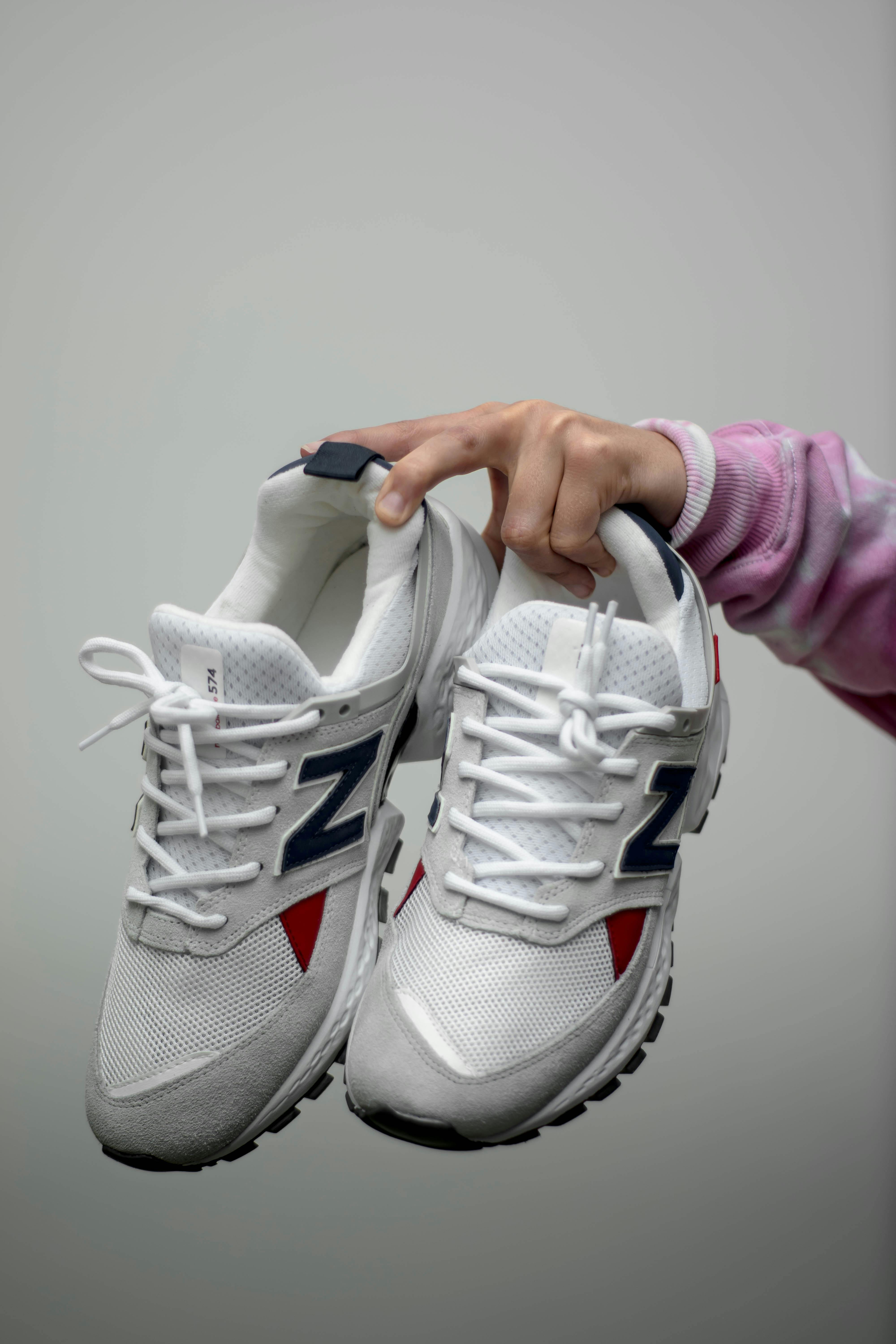
New Balance πŸ‘Ÿ
$135 was $145
β˜…β˜…β˜…β˜…β˜† 4.5 / 5.0 based on 11,420 reviews

The New Balance Fresh Foam X 880v14 is the value pick on this list β€” at $135 it's the cheapest daily trainer that's still genuinely good. New Balance's Fresh Foam X cushioning is roughly 90% as nice as Nike's ReactX or Brooks's DNA Loft v3 β€” meaningfully different in a side-by-side comparison, but not in everyday running.

The 880v14 is also available in widths from narrow to 4E (the widest), which is a category most brands abandoned. If you have wide feet (especially men with 2E or 4E width needs), the 880v14 is the only daily trainer on this list that fits. The drawback is the 880v14 lacks the energy return of newer competitors β€” it absorbs impact well but doesn't propel you forward like the Pegasus or Clifton. For runners who want simple, reliable, and affordable, the 880v14 is the right call.

Weight (men's 9)
9.8 oz / 278 g
Stack height
34mm heel / 24mm toe
Drop
10 mm
Best for
Wide-foot runners, value
What we love
  • $135 is genuinely cheapest
  • Available in narrow to 4E widths
  • Fresh Foam X cushioning
  • Reliable, no-surprises ride
  • Excellent durability for price
What we don't
  • Less responsive than Pegasus
  • Doesn't propel you forward
  • Heavier at 9.8 oz
  • Aesthetics are dated
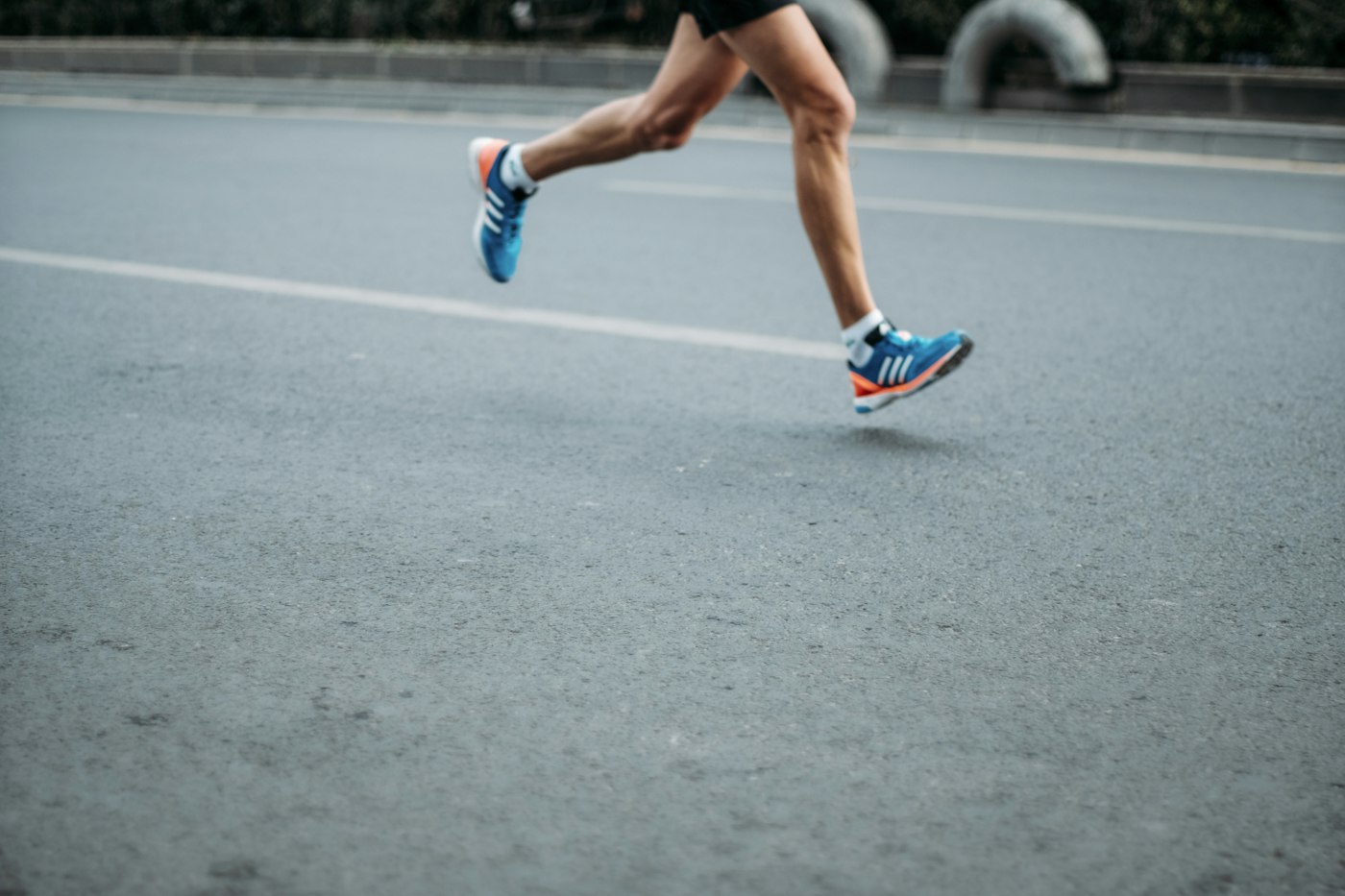
πŸƒβ€β™€οΈ ⏱ πŸƒ
Same 5-mile loop, run at 6am in each pair, on identical 50-65Β°F mornings β€” direct comparison testing eliminates environmental variables.

Side-by-side shoe comparison

All six running shoes we recommend, compared on the metrics that actually matter β€” weight, stack height, drop, foam technology, durability, and ideal use case. Browse our comparison tool or visit our Fitness category page for more.

Shoe Price Weight (m9) Stack / Drop Foam Best Distance Best For
Nike Pegasus 41 ⭐ PickBest daily trainer $140 9.4 oz 2nd Light 33mm / 10mm ReactX Most Versatile 5K to half-marathon Most runners
Hoka Clifton 9Most plush daily $145 8.7 oz Lightest 32mm / 5mm Compression EVA Easy & long runs Recovery, easy days
Asics Gel-Nimbus 26Best long-distance $160 10.6 oz 41mm / 8mm Highest Stack FF Blast Plus + PureGEL Long runs (12+ mi) 20-milers, marathon prep
Brooks Ghost 16Best for beginners $140 9.5 oz 35mm / 12mm DNA Loft v3 5K to half-marathon New runners, 3 widths
Saucony Endorphin Speed 4Best racer non-carbon $170 7.9 oz Race-Light 36mm / 8mm PWRRUN PB + nylon plate 10K to marathon racing Marathons, tempo work
NB Fresh Foam X 880v14 BudgetBest value pick $135 Cheapest 9.8 oz 34mm / 10mm Fresh Foam X 5K to half-marathon Wide-foot runners

Frequently asked questions

The questions our readers ask most often when choosing running shoes for spring training.

How often should I replace my running shoes?

The conventional wisdom is 300-500 miles, but the reality is more nuanced. Most modern foam midsoles (like Nike's ReactX, Hoka's compression EVA, Asics's FF Blast) lose 30-40% of their cushioning by mile 300-350, even though the shoe still looks fine externally. If you're running 25-30 miles a week, that's a new pair every 3-4 months.

The biggest signs your shoes are done: knee or shin pain that wasn't there a month ago, visible compression in the midsole when you set the shoes flat (one shoe sitting lower than the other), and outsole wear patterns showing through to the foam. When in doubt, buy the new pair β€” your joints will thank you. Browse current shoe deals on our deals page.

Are carbon-plated running shoes worth the extra money?

For most runners β€” no. Carbon-plated super-shoes like the Nike Vaporfly 3 ($260), Saucony Endorphin Pro 4 ($230), and Hoka Rocket X 2 ($250) are genuinely 2-4% faster for races β€” but they're only worth it if you're (a) actually racing, (b) running fast enough that 2-4% matters, and (c) okay with a 150-200 mile lifespan vs 300-500 for daily trainers.

For everyday training and recreational runners, a non-carbon racer like the Saucony Endorphin Speed 4 on this list delivers 80% of the boost at half the price and double the durability. Most sub-3:30 marathoners don't see the benefit of full carbon shoes.

What's the difference between a daily trainer and a long-run shoe?

A daily trainer (like the Nike Pegasus 41 or Brooks Ghost 16) is designed for versatility β€” handles 3-mile easy runs, 8-mile tempo runs, and 12-mile long runs equally well. A long-run shoe (like the Asics Gel-Nimbus 26) optimizes for protection over miles 12-20, with maximum cushioning and energy absorption that saves your legs.

For most runners doing 20-30 miles per week, one daily trainer is enough. If you're training for a marathon or running 40+ miles per week, a daily trainer + a long-run shoe in rotation extends shoe life and reduces injury risk.

Should I run in shoes from a specialty store or order online?

For your first pair of serious running shoes, get fitted at a specialty running store. Real running stores (Fleet Feet, Road Runner Sports, locally-owned shops) will watch you walk, analyze your foot strike, and recommend shoes based on your gait. This service is genuinely valuable β€” different runners need different things.

For replacement pairs of the same shoe you already love, ordering online from Nike.com, Hoka.com, Asics.com, or BrooksRunning.com usually saves $10-30 per pair and offers wider color selection. Most brands offer 30-90 day return windows so you can try them on real runs.

What's the right drop (heel-to-toe) for me?

"Drop" is the height difference between the heel and toe of the shoe. High-drop shoes (10-12mm) like the Nike Pegasus and Brooks Ghost suit heel strikers and runners with tight calves. Mid-drop shoes (6-8mm) like the Asics Nimbus and Saucony Endorphin Speed suit a wider range of runners. Low-drop shoes (0-5mm) like the Hoka Clifton (5mm) and barefoot-style shoes suit forefoot strikers but require gradual transition.

If you're a heel striker (most runners are), don't suddenly switch from a 12mm drop shoe to a 5mm drop shoe β€” your Achilles tendons will revolt. Drop changes should happen gradually over 4-6 weeks of mixed mileage.

Do I need different shoes for trail running?

If you're running on packed dirt or fire roads, your road shoes are fine. If you're running on technical trails with rocks, roots, or mud β€” yes, you need trail shoes. Trail-specific shoes have aggressive lugs (typically 4-6mm), reinforced uppers to protect against debris, and rock plates in the midsole to prevent stone bruises.

Top trail picks for 2026: Hoka Speedgoat 5 ($155), Salomon Sense Ride 5 ($140), and Brooks Cascadia 17 ($130). For light trails and occasional dirt, the road shoes on this list are adequate. For serious trail running, dedicated trail shoes are essential.

Should I size up in running shoes?

Yes β€” by half a size, typically. Your feet swell during longer runs (especially in warm weather), and you want roughly a thumb's width of space between your longest toe and the front of the shoe. If you wear a size 10 in casual sneakers, a size 10.5 in running shoes is usually right.

Brand sizing varies: Nike and Saucony tend to run small. Brooks runs true to size. Hoka runs slightly large. Asics is usually true to size. Always check the brand's specific sizing guidance and consider returning a pair after a 5-6 mile test run if the fit isn't right. Most major brands offer 30-90 day return policies.

Can I use running shoes for the gym or walking?

Yes, but it accelerates the wear. Running shoe foam compresses based on total impact load, not just running miles β€” so 100 miles of walking + 200 miles of running ages the shoe similar to 250 miles of running alone. If you wear running shoes for daily walking, you'll need to replace them sooner.

For gym workouts (especially weight training), running shoes are a poor choice β€” the cushioning is too soft for stable lifts. Use cross-training shoes for the gym and reserve running shoes for runs only. Browse our Fitness category page for cross-trainer recommendations.

What's the deal with all the foam technology marketing?

Modern running shoe foams are genuinely better than the EVA foam used 10 years ago. Nike ReactX, Adidas Lightstrike Pro, Saucony PWRRUN PB, Hoka's compression EVA, and Asics FF Blast Plus Eco are all real improvements β€” more energy return, lighter weight, more durability.

That said, brand marketing dramatizes the differences. The actual difference between top-tier modern foams is small in everyday running β€” maybe 3-5% in energy return. Don't get caught up in foam wars. Pick a shoe that fits your foot, has the cushioning level you want, and matches your training. Browse current foam-tech reviews on our blog.

Get our weekly buying guides

Honest gear reviews like this one, plus the best deals on the products we test. No spam, ever β€” unsubscribe in one click.