Peloton Bike+ vs. NordicTrack Commercial S22i: Which Smart Bike Actually Wins?

We rode both smart bikes every day for 8 weeks — early-morning sessions, lunch-break sweat, and evening climbs. After 9 head-to-head rounds — screen, resistance, content library, comfort, and value — the winner came down to what you actually want from your ride.

JM
Jonah Mercer
Fitness Equipment Editor · Price & Pick · Testing methodology
8 weeks tested 9 rounds · both bikes Purchased units — no manufacturer loans

Every fall and January, the same debate plays out in thousands of living rooms: $2,695 for a Peloton Bike+, or $1,999 for a NordicTrack Commercial S22i? The price gap is real, but it's not the whole story. These two smart bikes represent two different philosophies of what a "best home cycling bike" purchase should deliver — one built around the deepest live-class ecosystem in the industry, and one built around terrain-matching incline hardware that genuinely changes how a ride feels under your legs.

I've covered connected fitness equipment for 6 years and put both bikes through real households, not showroom floors. For the past 8 weeks, I've ridden both the Peloton Bike+ and the NordicTrack Commercial S22i as my primary cardio equipment — alternating days to remove any fitness-level bias. I tracked them through early-morning rides, lunch-break HIIT, and evening recovery spins. The result wasn't the clean sweep either fanbase expects.

This isn't a spec-sheet comparison copied from a press release. Marketing copy doesn't tell you which bike will actually survive daily use, a cramped spare room, and a real monthly subscription bill. What follows is 9 rounds of real-world head-to-head testing across the categories that matter most when choosing between these two connected bikes — screen and display, resistance hardware, content library, comfort, smart coaching, and the one factor that ultimately tipped the scale. For current pricing and availability, see our full Peloton Bike+ review or NordicTrack Commercial S22i product page.

Peloton Bike+

  • Screen23.8" rotating HD touchscreen
  • ResistanceDigital, auto-adjust, no manual knob
  • Incline/DeclineNone
  • Smart coachingPeloton IQ — rep tracking, form feedback
  • Flywheel~297 lb, belt drive
  • Footprint4' x 2' (compact)
  • Class libraryThousands of live + on-demand classes
  • Membership$44/mo All-Access
  • Warranty12-month limited (frame & touchscreen)
  • Price$2,695

NordicTrack Commercial S22i

  • Screen22" rotating & pivoting HD touchscreen
  • Resistance24 levels, SMR silent magnetic
  • Incline/Decline-10% to +20%, automatic power motor
  • Smart coachingiFIT SmartAdjust — auto resistance/incline
  • FlywheelInertia-enhanced flywheel
  • Footprint61" x 22" (larger)
  • Class library16,000+ on-demand + live Global Workouts
  • Membership$39/mo iFIT family
  • Warranty10-yr frame / 2-yr parts / 1-yr labor
  • Price$1,999
Round 01

Screen & Display

This round sets the tone for everything that follows. The Peloton Bike+'s 23.8" HD touchscreen swivels a full 360 degrees, which sounds like a gimmick until you're doing floor work mid-class and don't want to crane your neck at a fixed display. Touch response is fast, the UI is clean, and the screen-to-bike integration feels genuinely first-party rather than bolted on.

The NordicTrack S22i's 22" screen also rotates and pivots, and the resolution is comparable — but the underlying software feels noticeably slower to respond, with more frequent buffering on Global Workout video segments even on a strong connection. It's a perfectly usable display; it simply doesn't feel as polished. Winner: Peloton Bike+ — the swivel mechanism is just as functional on both bikes, but Peloton's touchscreen software is meaningfully snappier in daily use.

Round 02

Resistance & Incline

Peloton's Bike+ uses digital resistance that auto-adjusts during instructor-led classes, and the feel is smooth and predictable. What it cannot do is change incline or decline — the bike stays flat no matter what the instructor calls out, which means "climbs" are simulated entirely through resistance, never through actual grade.

The NordicTrack S22i's signature feature is its motorized incline and decline, running from -10% to +20%, fully automated through iFIT's SmartAdjust during Global Workouts. Riding a Google Maps route in the Alps and actually feeling the bike tilt beneath you is a genuinely different experience than resistance alone — it engages different muscles and makes outdoor-route simulation feel real rather than abstract. Winner: NordicTrack S22i — nothing in Peloton's lineup matches physical incline/decline hardware, and it's the single biggest functional gap between these two bikes.

Round 03

Class Library & Instruction

Peloton's daily live class schedule remains unmatched in the category — dozens of live rides per day, a deep roster of instructors with genuine personalities and followings, and a leaderboard culture that turns a solo ride into something more communal. For anyone motivated by instructor energy and live class timing, nothing in NordicTrack's catalogue replicates it.

NordicTrack's iFIT library is large — over 16,000 workouts — but the cycling-specific live schedule is thinner, and iFIT's spin classes lean more pre-recorded than live. The trade-off is breadth: iFIT trainers can also automatically control your resistance and incline mid-class, which Peloton instructors cannot do since Peloton requires manual adjustment. Winner: Peloton — for cycling-specific live class depth and instructor culture specifically, Peloton's library is the deeper one.

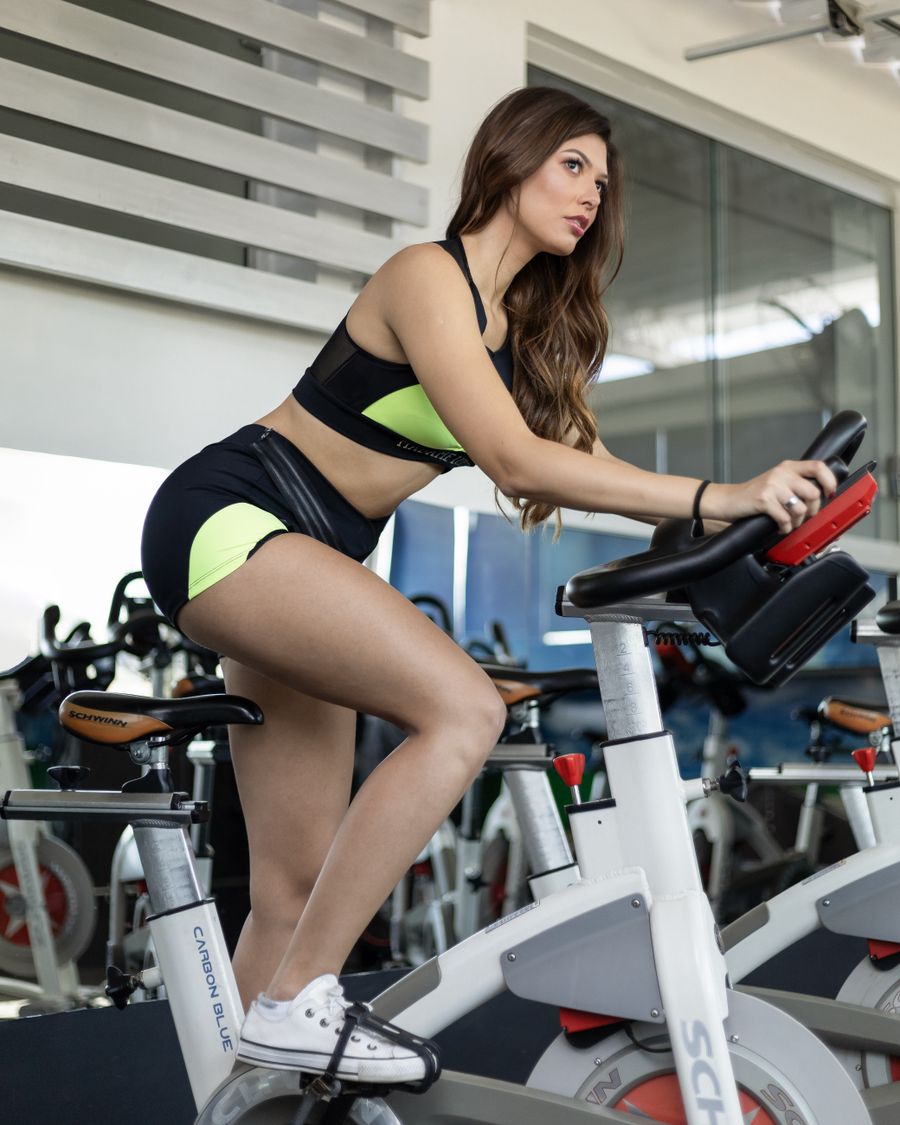
Close-up of a rider's legs and pedals during an indoor cycling workout
vs
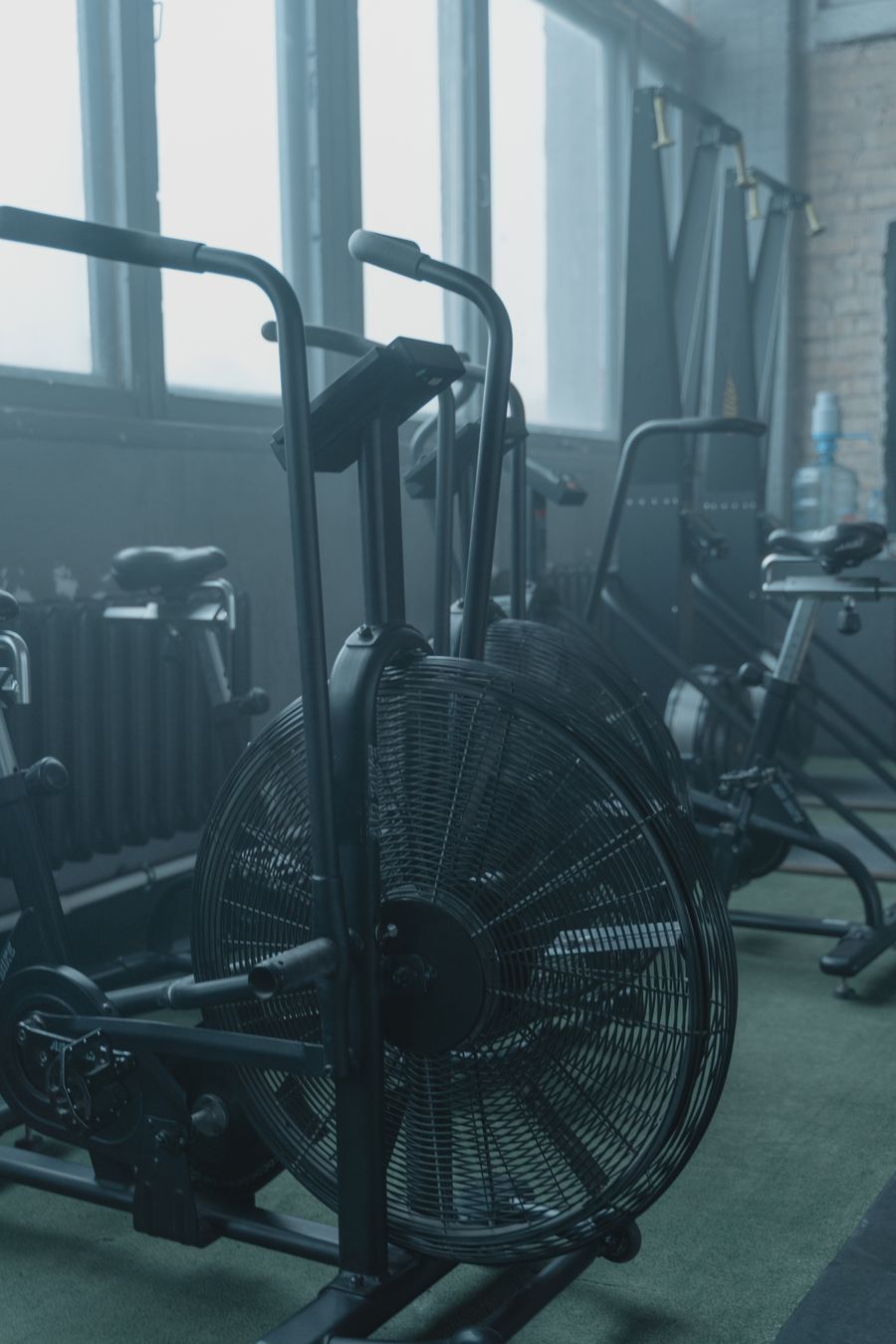
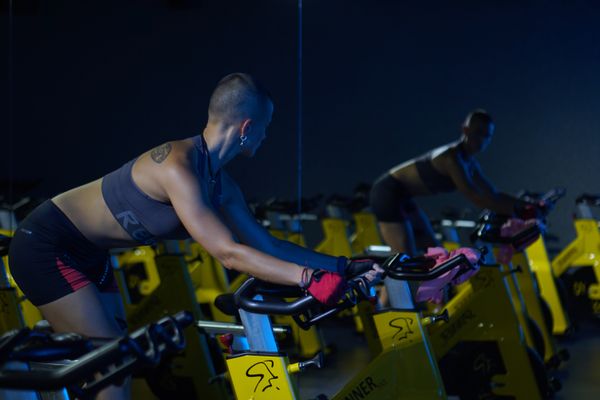
Row of modern exercise bikes in a bright studio

Peloton's live-class culture vs. iFIT's terrain-driven library — two different ways to stay motivated through a long ride.

Round 04

Comfort & Ergonomics

The Bike+'s newest seat update brings genuinely better cushioning over long rides, and the frame's weight distribution feels stable even during out-of-saddle climbs. Handlebar and seat adjustment is standard fare — vertical and horizontal sliders — and works fine once dialed in, though some testers found the initial setup fiddly.

NordicTrack's S22i ships with non-slip, multi-position handlebars and a gas-shock-assisted height adjustment that makes it noticeably easier to find a comfortable riding position, especially for households where multiple people of different heights share one bike. The dual-sided SPD-plus-toe-cage pedals also mean you're not locked into cycling-specific shoes the way Peloton's Delta-only pedals require. Winner: NordicTrack S22i — the multi-position handlebars and flexible pedal system make it the more adaptable bike across different riders and riding styles.

Round 05

Smart Coaching & AI

Peloton IQ is the headline addition to the Bike+, and in testing it delivers on the core promise: a built-in movement-tracking camera provides real-time form feedback, rep counting, and suggested weights for off-bike strength segments, plus personalized plans that adapt based on your ride history and connected wearable data from Garmin, Fitbit, or Apple Health.

iFIT's SmartAdjust is genuinely useful for automatic resistance and incline control, but it doesn't offer comparable computer-vision form feedback or rep tracking during strength segments — coaching is delivered through the trainer's on-screen instruction rather than camera-based analysis of your movement. Winner: Peloton Bike+ — the built-in camera and Peloton IQ's form-correction features are simply more advanced than anything iFIT currently offers on this hardware tier.

Round 06

Audio & Connectivity

The Bike+'s Sonos-tuned speakers and integrated woofer deliver genuinely strong audio for a stationary bike, with clear vocal separation from instructors during high-energy segments. Bluetooth pairing for heart rate monitors and headphones is fast and reliable, and Apple GymKit integration is a nice touch for Apple Watch users.

NordicTrack's upgraded 30W premium audio system is comparable in clarity and volume, with equally reliable Bluetooth headphone pairing and Wi-Fi performance after the most recent hardware refresh. Both bikes support heart rate monitor pairing without issue. Winner: Tie — both bikes now deliver strong, comparable audio and connectivity; neither has a meaningful edge here after the latest updates on both sides.

Round 07

Footprint & Practicality

This is where Peloton's design discipline shows. The Bike+'s footprint is a compact 4' x 2', meaning it genuinely fits in spaces as small as a standard yoga mat — a real advantage for apartments, shared rooms, or anyone tight on square footage.

NordicTrack's S22i measures roughly 61" long by 22" wide, a noticeably larger physical presence that needs more dedicated floor space and is harder to tuck into a corner or move between uses. The incline/decline hardware that wins Round 2 is also what adds bulk here. Winner: Peloton Bike+ — for cramped spare rooms or apartments, the smaller footprint is a genuine, measurable advantage.

Round 08

Off-Bike Content Variety

Peloton's app ecosystem extends well beyond the bike — strength, yoga, meditation, running, and outdoor walking classes are all included in the same All-Access membership, and the swivel screen makes off-bike floor segments genuinely easy to follow mid-class.

iFIT's library leans even further into variety: alongside its cycling and strength catalogue, it includes Google Maps Street View routes that let you "ride" real-world locations from Japan to Switzerland, plus mindfulness sessions and a broader range of trainer personalities pulled from outdoor adventure backgrounds rather than studio cycling specifically. Winner: NordicTrack S22i — for sheer breadth of off-bike and exploratory content, particularly real-world route simulation, iFIT's library offers more variety than Peloton's studio-centric catalogue.

Round 09

Value for Money

At $2,695, the Peloton Bike+ commands a real premium, and the calculus depends heavily on whether you'll use the live-class culture and Peloton IQ features enough to justify the $44/month All-Access membership on top. For households genuinely motivated by leaderboards and live instructors, it's a defensible spend.

At $1,999, the NordicTrack S22i is roughly $700 cheaper at purchase and carries a $39/month iFIT membership — cheaper both upfront and ongoing — while still delivering automatic incline/decline hardware that Peloton doesn't offer at any price. For anyone weighing total cost of ownership over a multi-year membership term, the gap compounds meaningfully. Winner: NordicTrack S22i — lower purchase price, lower monthly membership, and unique incline hardware combine for a clearly stronger dollar-for-dollar value proposition.

The final scorecard

9 rounds. 8 weeks of real-world riding. Here's how it ended — and why the result is more nuanced than just a winner and a loser.

Peloton
★ Overall Winner
4
rounds won · 9 tested (1 tie) · $2,695
  • Round 01 · Screen & DisplayWON ✓
  • Round 02 · Resistance & InclineLost
  • Round 03 · Class LibraryWON ✓
  • Round 04 · ComfortLost
  • Round 05 · Smart CoachingWON ✓
  • Round 06 · Audio & ConnectivityTied
  • Round 07 · FootprintWON ✓
  • Round 08 · Off-Bike ContentLost
  • Round 09 · ValueLost
VS
NordicTrack
4
rounds won · 9 tested (1 tie) · $1,999
  • Round 01 · Screen & DisplayLost
  • Round 02 · Resistance & InclineWON ✓
  • Round 03 · Class LibraryLost
  • Round 04 · ComfortWON ✓
  • Round 05 · Smart CoachingLost
  • Round 06 · Audio & ConnectivityTied
  • Round 07 · FootprintLost
  • Round 08 · Off-Bike ContentWON ✓
  • Round 09 · ValueWON ✓

Our verdict — and who should buy which

The scoreboard says it's a genuine 4–4 tie with one tied round. That's rare in a head-to-head comparison, and it's rare for a good reason — these two bikes aren't really competing on the same axis. We're calling Peloton Bike+ the overall winner by a narrow editorial margin, because its smaller footprint, snappier software, and Peloton IQ coaching tend to matter for daily, sustained use — but the value case for NordicTrack is genuinely strong, and plenty of riders should choose it instead.

Buy the Peloton Bike+ if: you're motivated by live classes, leaderboards, and instructor personalities, you want the most polished touchscreen software in the category, and your space is tight enough that the compact 4' x 2' footprint actually matters. Peloton IQ's camera-based form feedback is also a real differentiator if you plan to use the bike for off-bike strength training too.

Buy the NordicTrack Commercial S22i if: you want automatic incline and decline that genuinely changes how a climb feels, you care more about total cost of ownership than brand-name leaderboard culture, and you'd rather explore Google Maps-style real-world routes than chase a studio vibe. At $700 less upfront and $5 less per month, it's the harder bike to argue against on pure value.

The honest answer? If your gym room has the space and your budget has the room, the incline hardware on the S22i is the single feature that's hardest to find anywhere else at this price — while Peloton's software polish and class culture are the things people actually stick with for years. Test-ride both in a showroom before you commit; the "winner" here genuinely depends on which axis matters more to your routine.

Frequently asked questions

The most common questions from readers deciding between these two smart bikes.

Is the Peloton Bike+ worth $2,695?

For most riders who plan to use live classes regularly and value the leaderboard and instructor culture, yes — the Bike+'s touchscreen software, Peloton IQ coaching, and compact footprint are genuinely the most polished package in the category. If incline/decline hardware or total cost of ownership matter more to you, the NordicTrack S22i offers comparable core functionality for roughly $700 less.

Refurbished Peloton Bike+ units are also available at a meaningful discount through Peloton directly, which can narrow the price gap with NordicTrack while keeping the full warranty intact.

Does the NordicTrack S22i really feel like it's climbing hills?

Yes — the automatic power incline/decline motor physically tilts the bike from -10% to +20% grade in sync with iFIT Global Workout routes, and the difference versus resistance-only simulation is noticeable, especially on sustained climbs where your body weight shifts forward into the bars the way it would outdoors.

Can I use either bike without a monthly subscription?

Both bikes can be ridden in a basic manual mode without an active membership — you can pedal and manually adjust resistance on either bike — but neither bike's live or on-demand class library, leaderboard, or automatic resistance/incline features are accessible without an active Peloton All-Access ($44/mo) or iFIT ($39/mo family) subscription, respectively.

What cycling shoes do I need for each bike?

The Peloton Bike+ uses Delta-compatible clip-in pedals exclusively, so you'll need Delta-compatible cycling cleats (Peloton sells a pair for around $125) to clip in fully. The NordicTrack S22i ships with dual-sided SPD-plus-toe-cage pedals, so you can ride in regular athletic shoes using the toe cage side, or clip in with SPD-compatible cycling shoes if you prefer — giving it more flexibility for households where not everyone owns cycling shoes.

Which bike has the larger weight capacity?

The NordicTrack S22i has a maximum weight capacity of 350 lbs, while the Peloton Bike+ supports riders up to 297 lbs. If maximum weight capacity is a deciding factor, the S22i has a meaningful edge here.

Is there a cheaper alternative to either bike from the same brands?

Yes on both sides. Peloton's standard Bike (without the "+") drops the rotating screen and Peloton IQ camera features for a lower price, while NordicTrack's S15i offers the same incline/decline hardware as the S22i with a smaller 14" screen and 22 resistance levels at a reduced price point — a good option if incline is your priority but budget is tight.

Get our weekly buying guides

Honest comparison reviews like this one, plus the best deals on fitness equipment we test. No spam, ever — unsubscribe in one click.