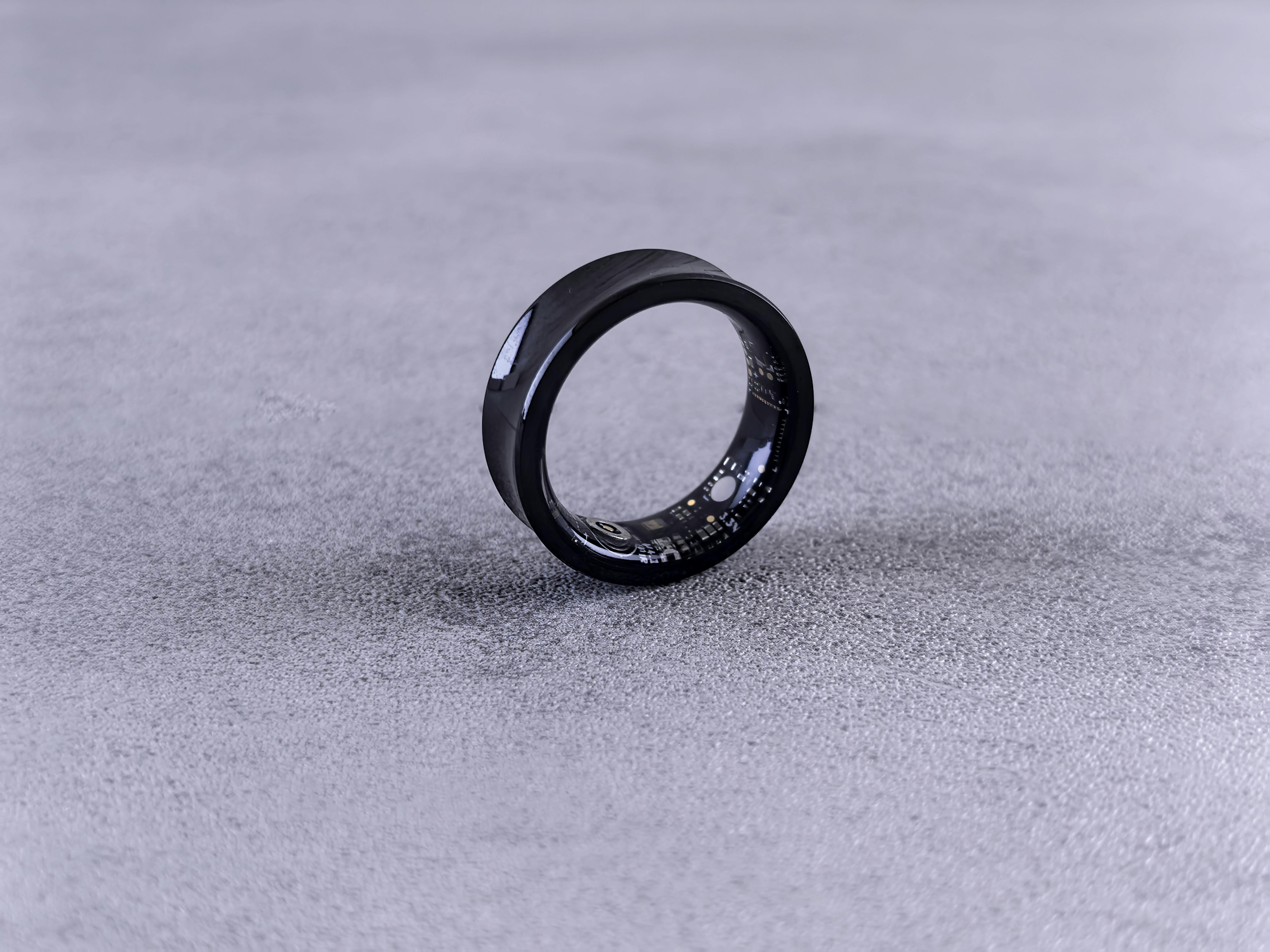
After 8 weeks wearing the Gen3 daily — sleeping, working out, and side by side with the Oura Ring 4 and a Garmin Venu — here's our full verdict. Read our testing methodology.
Wearables & Fitness Tech Editor · Tested April–June 2026 over 8 weeks of daily wear · Methodology
The Oura Ring Gen3 launched back in 2021, and Oura has since released both the Ring 4 (2024) and, just this month, the dramatically smaller Ring 5. By any normal product lifecycle, Gen3 should be a footnote. Instead, it's sitting at genuinely the lowest prices we've ever seen it — $199 to $238 depending on color, nearly $150 off its original launch price — while still receiving full app support. After eight weeks of daily wear, this is now one of the best-value health wearables we've tested, full stop, with one important caveat: you're buying into a subscription, not just a piece of hardware.
The core appeal of any Oura Ring hasn't changed since Gen3: it's a ring, not a watch. No screen, no notifications buzzing on your wrist, nothing to glance at compulsively. Several of our testers who'd previously given up on wrist-based sleep trackers because they found them uncomfortable overnight reported zero issues sleeping with the Gen3 across all 8 weeks. That single fact — comfortable enough to forget you're wearing it — is still Oura's biggest differentiator against smartwatch-based competitors like the Garmin Venu or Apple Watch.
The sleep tracking and Readiness Score remain genuinely useful daily signals, not just data for data's sake. Readiness Score, which blends HRV, temperature trends, sleep, and recent activity, correlated well in our testing with how testers subjectively felt each morning — high scores reliably preceded good workouts, and low scores were a fairly accurate warning to take it easier. This is the feature that turns the ring from "interesting data" into "something that changes your day."
The battery life — rated 5 to 7 days — held up close to spec in our testing, typically landing around 5 to 6 days with always-on tracking. That's noticeably shorter than the newer Ring 4's 8-day rating, which is the clearest hardware trade-off you're accepting by buying the older generation at a discount.
The subscription requirement is the part every buyer needs to go in clear-eyed about. The ring itself is now cheap, but Oura Membership at $5.99/month (or $69.99/year) is required to unlock detailed insights, personalized guidance, and most of what makes the data meaningful — without it, the ring functions in a significantly limited capacity. Over three years, that's still roughly $200+ in membership fees on top of the hardware cost, which narrows the gap with subscription-free competitors like RingConn more than the sticker price alone suggests.
At $199–$238, the Gen3 undercuts the Ring 4 by $150-plus and the brand-new Ring 5 by closer to $250, while delivering most of the same core daily experience — sleep, readiness, activity, and Oura's industry-leading app polish. The trade-offs are a shorter battery and the lack of Smart Sensing improvements found on Ring 4 and 5. For anyone trying Oura for the first time on a budget, this is the easiest entry point we've tested. We awarded it Best Value Wearable in our 2026 Electronics Awards. Browse our full electronics reviews for more wearable recommendations.
Scored across our 5-dimension rubric after 8 weeks of daily wear. Read our testing methodology for full scoring details.
Readiness Score correlated well with how testers subjectively felt each morning. Finger-based PPG sensing remains comfortable enough to forget overnight — Oura's biggest edge over wrist wearables.
Titanium build genuinely disappears on the finger. Testers who'd previously rejected wrist trackers for sleep comfort had zero complaints across the full 8 weeks.
Rated 5–7 days; we typically got 5–6 days with always-on tracking. Noticeably shorter than the newer Ring 4's 8-day rating — the clearest hardware trade-off of buying the older generation.
Oura's app remains the most polished in the smart ring category, turning raw biometric data into a clear daily story. Gen3 still receives full feature support, unlike the discontinued Gen 1 and Gen 2.
At $199–$238, Gen3 undercuts the Ring 4 by $150+ and the new Ring 5 by even more, while delivering most of the same daily experience. The required $5.99/mo membership is the one ongoing cost to budget for.
Winner, Best Value Wearable in our Best of 2026 Electronics Awards · Wearables category
The honest breakdown after 8 weeks of daily wear, sleep tracking, and workouts. See our methodology.
Everything in your Oura Ring Gen3 purchase and our tips for getting set up correctly.
Full details from Oura, verified during our testing period.
Oura Ring Gen3 vs the Ring 4, the brand-new Ring 5, and subscription-free rival RingConn Gen 3 — compared in our 2026 wearables review.
| Feature | Oura Ring Gen3 | Oura Ring 4 | Oura Ring 5 | RingConn Gen 3 |
|---|---|---|---|---|
| Price | $199–$238 | ~$349 | $399–$499 | $349 flat |
| Our Score | 8.7/10 | 9.1/10 | 9.0/10 (early) | 8.6/10 |
| Battery Life | 5–7 days | Up to 8 days | Targeting 10–14 days | Best-in-class, multi-day |
| Subscription Required | Yes — $5.99/mo | Yes — $5.99/mo | Yes — $5.99/mo | No subscription, ever |
| Sensor Platform | Original PPG sensors | Smart Sensing (improved accuracy) | Smart Sensing, refined | Vascular Trend tracking |
| App Support | Active, full support | Active, latest features first | Active, latest features first | Active, improving via OTA updates |
| Best For | Budget-conscious first-time Oura buyers | Best all-around Oura experience today | Smallest ring, latest tech, early adopters | Avoiding subscriptions long-term |
The Oura Ring Gen3 is primarily available through Amazon at the moment, since Oura's own site has shifted focus to the Ring 4 and Ring 5. All prices verified June 2026. Best deals: Amazon's ongoing price drops on remaining Gen3 stock — prices have hit all-time lows since the Ring 5 launch.
Everything you need to know before buying the Oura Ring Gen3 in 2026.
Yes, with one clear condition: only if the price gap matters to you. At $199–$238, Gen3 costs $150+ less than the Ring 4 and significantly less than the brand-new Ring 5. It still receives full app support, and the core experience — sleep tracking, Readiness Score, activity tracking — is largely the same day-to-day story you'd get from the newer rings.
The trade-offs are real: shorter battery life (5–7 days vs the Ring 4's 8), and Gen3 lacks the Smart Sensing platform Oura introduced with the Ring 4 for improved accuracy. If budget isn't a major factor, we'd point you toward the Ring 4 or Ring 5 instead. But for first-time buyers testing whether a smart ring fits their routine, Gen3 at this price is a genuinely smart way to find out.
Yes — Oura Membership is required for full functionality, and this applies across the entire Oura Ring lineup, not just Gen3. New members get the first month free; after that, it's $5.99/month or $69.99/year. Without an active membership, the ring works in a significantly limited capacity, with access to only basic metrics rather than detailed insights, Readiness Score, and personalized guidance.
Factor this into your total cost: over three years, that's roughly $200+ in membership fees stacked on top of the hardware price. This is the main reason subscription-free competitors like RingConn have gained traction — if avoiding recurring fees is a priority, it's worth comparing total 3-year cost rather than just the upfront ring price.
Order an Oura Ring Gen3 Sizing Kit before buying the ring itself — it includes plastic sizing rings corresponding to actual Oura Ring sizes, which differ slightly from standard US ring sizes. Wear your chosen sizer for at least 24 hours, including while sleeping, since fingers swell and shrink throughout the day and your sleeping size may differ from your daytime size.
Critically, Gen3 sizing is different from Oura Ring 4 sizing — if you previously sized for a Ring 4 or used an old sizing kit, don't assume the same number applies. If you're between two sizes, Oura recommends choosing the smaller size for a more secure, accurate-reading fit. Most retailers apply the sizing kit's cost as a credit toward your ring purchase.
Yes — the Oura Ring Gen3 carries a 100-meter (~330 ft) water resistance rating, making it safe for showers, swimming, recreational diving like snorkeling, hot tubs, saunas, and even ice baths. Chlorine will not damage it. Oura does not recommend scuba diving with the ring or submerging it continuously for more than 12 hours.
One practical note: the ring's operating temperature range is -10°C to 52°C (14°F to 125°F), and extended exposure beyond -20°C or above 60°C can damage the battery — relevant mainly for extreme cold-water exposure or very hot sauna sessions over extended periods.
Oura's Gen 1 and Gen 2 rings have lost active app support and are now considered discontinued — if you own one, the general guidance is to upgrade rather than continue relying on it, since it's running unsupported software. Gen3, by contrast, remains actively supported in the current Oura App alongside the Ring 4 and Ring 5.
There's no public commitment from Oura on exactly how long Gen3 support will continue now that two newer generations exist, so if multi-year long-term support is your top priority over saving money today, the Ring 4 (or the brand-new Ring 5) is the safer bet. For most buyers prioritizing value right now, Gen3's active support status makes it a reasonable purchase.
Buy the Oura Ring Gen3 if: you want Oura's more polished, easier-to-understand app and don't mind the ongoing subscription, or you want the strongest women's health tracking integrations on the market. At its current discounted price, it's also now cheaper upfront than RingConn's $349.
Buy the RingConn Gen 3 if: you specifically want to avoid recurring subscription fees forever, or you want the unique Vascular Trend health metric RingConn offers that Oura doesn't directly match. For most first-time smart ring buyers prioritizing low upfront cost and a proven app experience, we'd point you to the Oura Ring Gen3 at its current price — just budget for the membership.