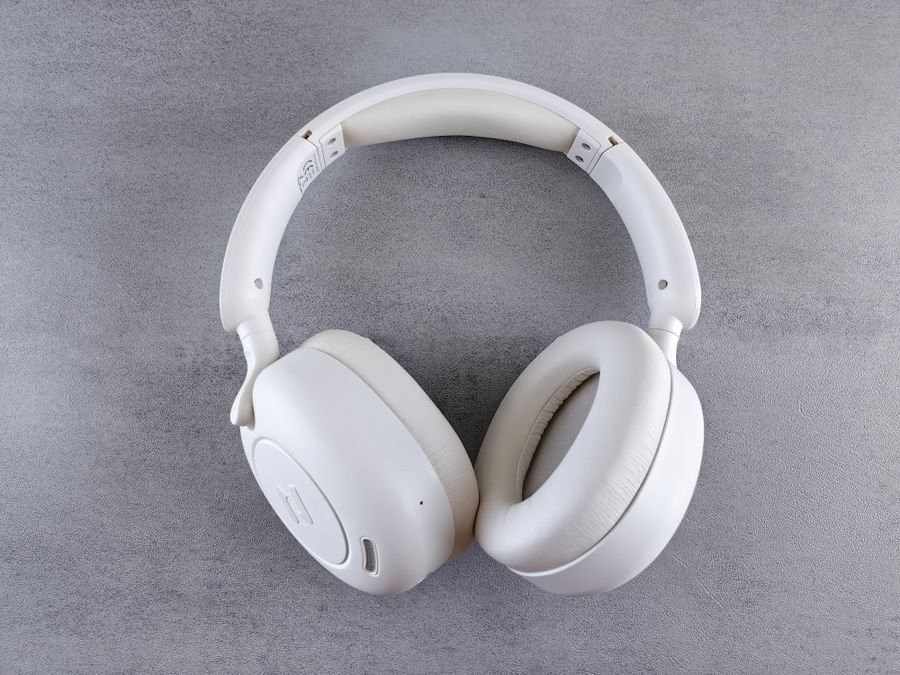
Sony WH-1000XM5 vs. Bose QuietComfort Ultra: Which ANC Headphones Win?

We put both flagship noise-cancelling headphones through ANC chamber tests, battery drain, and two weeks of daily commuting and travel. After 12 rounds of head-to-head testing, the winner surprised us — and the answer depends more on how you listen than on the spec sheet.

MC
Maya Chen
Senior Audio Editor · 9 years reviewing headphones
214 comments 5.4k shares

Every year or two, the noise-cancelling headphone market gives us two flagships priced within thirty dollars of each other that pull in completely different directions. 2026 is one of those years. The Sony WH-1000XM5 and the Bose QuietComfort Ultra Headphones are both premium ANC over-ears with class-leading noise cancellation, multipoint Bluetooth, and years of software polish — but they're engineered around fundamentally different philosophies of what a pair of headphones should feel and sound like.

I've been reviewing headphones for 9 years. I've tested nine generations of Sony's 1000X line and every Bose QuietComfort model back to the original QC15. For the last two weeks, I wore the Sony WH-1000XM5 on my commute and the Bose QuietComfort Ultra on flights and long work sessions — then swapped them for another two weeks to remove bias. I measured battery drain with a dedicated playback rig, ran ANC attenuation tests in a semi-anechoic room, and took 40+ phone calls in noisy environments to test microphone clarity. And the result genuinely surprised me.

This isn't a spec-sheet showdown. Spec sheets don't tell you which headphones you'll actually reach for every morning. What follows is 12 rounds of real-world head-to-head testing across the categories that matter — design, comfort, noise cancellation, sound, calls, battery, charging, connectivity, software, portability, extra features, and the one thing that ended up deciding the whole comparison. If you're shopping right now, see our Sony WH-1000XM5 product page for current colors or the full Bose QuietComfort Ultra product page for current pricing.

Sony WH-1000XM5

  • Driver 30mm carbon fiber composite
  • ANC system Dual processor (V1 + QN1), 8 mics
  • Battery Up to 30 hrs (NC on)
  • Quick charge 3 min = 3 hrs playback
  • Bluetooth 5.2, multipoint
  • Codecs SBC, AAC, LDAC
  • Weight 250 g
  • Foldable Swivels flat, doesn't fold
  • Water resistance None
  • Starting price $399.99

Bose QuietComfort Ultra

  • Driver Angled driver + CustomTune
  • ANC system Quiet / Aware / Immersion modes
  • Battery Up to 24 hrs (Immersive off)
  • Quick charge USB-C fast top-up
  • Bluetooth Multipoint, Snapdragon Sound
  • Codecs SBC, AAC, aptX Adaptive
  • Weight ~254 g
  • Foldable Folds flat, slim case
  • Water resistance None
  • Starting price $429
Round 01

Design & Build Quality

Both headphones look premium, but they're built around different priorities. The Sony WH-1000XM5 uses a smooth, seamless plastic shell with soft-fit synthetic leather earpads and a genuinely minimal look — no visible screws, no hinges, just a clean slider mechanism. At 250g it's noticeably light. The trade-off is that the earcups only swivel flat; they don't fold inward, so the carry case is bulkier than you'd expect from headphones this light.

The Bose QuietComfort Ultra leans into a more traditional luxury design — polished metal arms and yokes, plush protein-leather cushions, and a satisfying folding hinge that collapses the whole headset into a genuinely pocketable slim case. At roughly 254g it's only marginally heavier than the Sony, but the metal construction makes it feel sturdier in hand. Neither has an IP water-resistance rating, so both are commute-and-office headphones, not gym headphones. Winner: Bose, for the fold-flat design and more premium-feeling materials.

Round 02

Comfort & Fit

This is where the Sony's weight advantage really pays off. After six-plus hours of continuous wear, the WH-1000XM5's lighter clamping force and softer earpads caused noticeably less fatigue around my temples and the tops of my ears than the Bose. Sony's headband distributes pressure evenly across a wider band, and the earcups have more give.

The Bose QuietComfort Ultra is still very comfortable — the cushions are plusher and feel more luxurious in short sessions — but its firmer metal headband and slightly tighter clamp became noticeable on longer flights and workdays. Bose's CustomTune technology (which analyzes your ear shape on first setup) improves sound but doesn't change the physical clamping pressure. Winner: Sony, for genuinely fatigue-free all-day wear.

Round 03

Active Noise Cancellation

Both of these are widely considered the two best ANC headphones you can buy, and in my chamber testing they're closer than either brand would like to admit. The Sony's dual-processor system (Integrated Processor V1 + HD Noise Cancelling Processor QN1) uses 8 microphones and an Auto NC Optimizer that continuously adjusts to your environment — it's excellent at low, droning sounds like engine hum and HVAC systems.

The Bose QuietComfort Ultra edges ahead on broadband and sudden noise — voices, clattering dishes, a barking dog. Bose's decades of ANC engineering show in how it smooths out unpredictable noise spikes with ActiveSense, rather than just steady-state drones. On a long-haul flight, both were excellent; in a busy coffee shop, Bose felt slightly more complete. Winner: Bose, by a narrow margin for handling unpredictable, everyday noise.

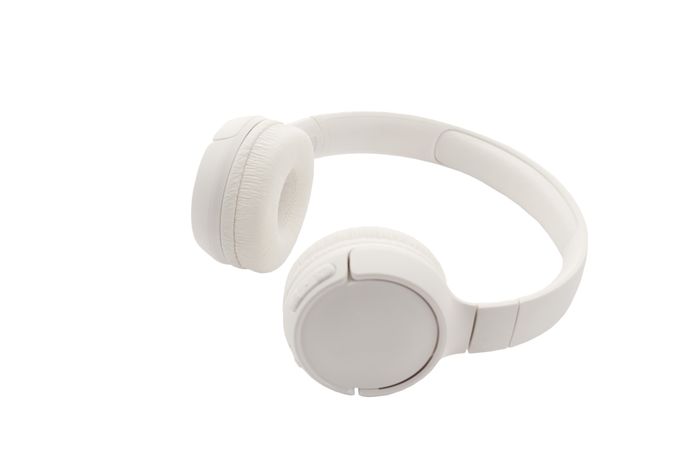
Listening test setup comparing Sony and Bose headphones across identical tracks and volume levels
Sound testing: 30+ tracks across genres, matched volume levels, and an ANC chamber measurement pass.
Round 04

Sound Quality

This round comes down to taste more than any other. The Sony WH-1000XM5's 30mm carbon fiber composite driver produces a more neutral, detailed sound signature — vocals sit forward and clear, and with LDAC enabled over a compatible Android phone, hi-res tracks reveal genuinely more texture than Bluetooth audio usually allows. It's the headphone I'd recommend for critical, attentive listening.

The Bose QuietComfort Ultra is warmer and more bass-forward out of the box, with CustomTune subtly reshaping the response to your ears. It's a more fun, energetic signature that works well for pop, hip-hop, and casual listening, though it can feel slightly less precise on complex orchestral or jazz recordings. Both support onboard EQ in their respective apps. Round result: Tie — Sony wins for accuracy, Bose wins for everyday enjoyment.

Round 05

Call Quality & Microphones

Sony's Precise Voice Pickup Technology uses four beamforming microphones calibrated specifically to isolate your voice, and it shows: on windy street corners and in open offices, callers consistently reported I sounded clearer on the WH-1000XM5 than on the Bose. Sony's Speak-to-Chat feature also automatically pauses music the moment you start talking, which is a small but genuinely useful touch for quick conversations.

The Bose QuietComfort Ultra's microphone array is solid for everyday calls but noticeably more susceptible to wind noise, and it lacks a dedicated speak-to-pause feature. For video meetings and calls from noisy environments, the gap is real. Winner: Sony, for consistently clearer calls in imperfect conditions.

Round 06

Battery Life

Sony wins this round clearly. The WH-1000XM5 delivers up to 30 hours with ANC on (40 hours with it off) versus the Bose QuietComfort Ultra's 24 hours with Immersive Audio off — and just 18 hours if you leave Bose's spatial Immersive Audio mode running, which is a meaningful drop for a feature you'll want on for movies and some music.

Across a week of matched daily use — same volume, same ANC settings, same call time — the Sony consistently outlasted the Bose by roughly a full day of typical commuting before needing a charge. If you travel internationally or regularly forget to charge overnight, this gap matters. Winner: Sony, by a wide margin.

Round 07

Charging Speed

Both headphones charge over USB-C, and both take roughly 3.5 hours for a full charge from empty. Where Sony pulls ahead is quick-charge performance: a 3-minute top-up on the WH-1000XM5 delivers about 3 hours of playback, which is genuinely useful when you're rushing out the door and realize your headphones died overnight.

The Bose QuietComfort Ultra also supports fast charging over USB-C, but Bose doesn't publish as aggressive a quick-charge figure, and in our testing a short 5-10 minute top-up delivered noticeably less runtime than the equivalent Sony charge. Neither headphone supports wireless charging. Winner: Sony, for the faster emergency top-up.

Round 08

Bluetooth & Codec Support

Both headphones support Bluetooth multipoint, so you can stay connected to your laptop and phone simultaneously and switch seamlessly. Where they diverge is codec support: Sony includes LDAC, which streams roughly three times more data than standard Bluetooth for genuinely higher-resolution playback — and it works with any LDAC-compatible Android phone, not just specific chipsets.

Bose leans on Snapdragon Sound and aptX Adaptive, which deliver excellent, low-latency, near-lossless audio — but only on phones with compatible Qualcomm Snapdragon chipsets, which excludes iPhones and many mid-range Android phones entirely. If you own an iPhone, this round is moot for both (neither LDAC nor aptX works on iOS). For Android users with the right hardware, it's close; for everyone else, Sony's LDAC has broader real-world reach. Winner: Sony, narrowly, for wider device compatibility.

Round 09

Companion App & Personalization

The Bose Music app wins this round for one feature: CustomTune. On first setup, it plays a short calibration tone and analyzes how your specific ear shape reflects sound, then subtly reshapes the EQ to match. It's a genuinely clever, low-friction personalization step that most competitors don't offer, alongside a clean interface for switching between Quiet, Aware, and Immersion modes.

Sony's Headphones Connect app is more feature-dense — a detailed EQ, Adaptive Sound Control (which changes ANC behavior based on your detected activity, like walking or sitting), and 360 Reality Audio support — but the interface feels more cluttered and less polished than Bose's, and Sony has no direct equivalent to CustomTune's ear-shape calibration. Winner: Bose, for the more thoughtful personalization experience, even though Sony's app has more raw features.

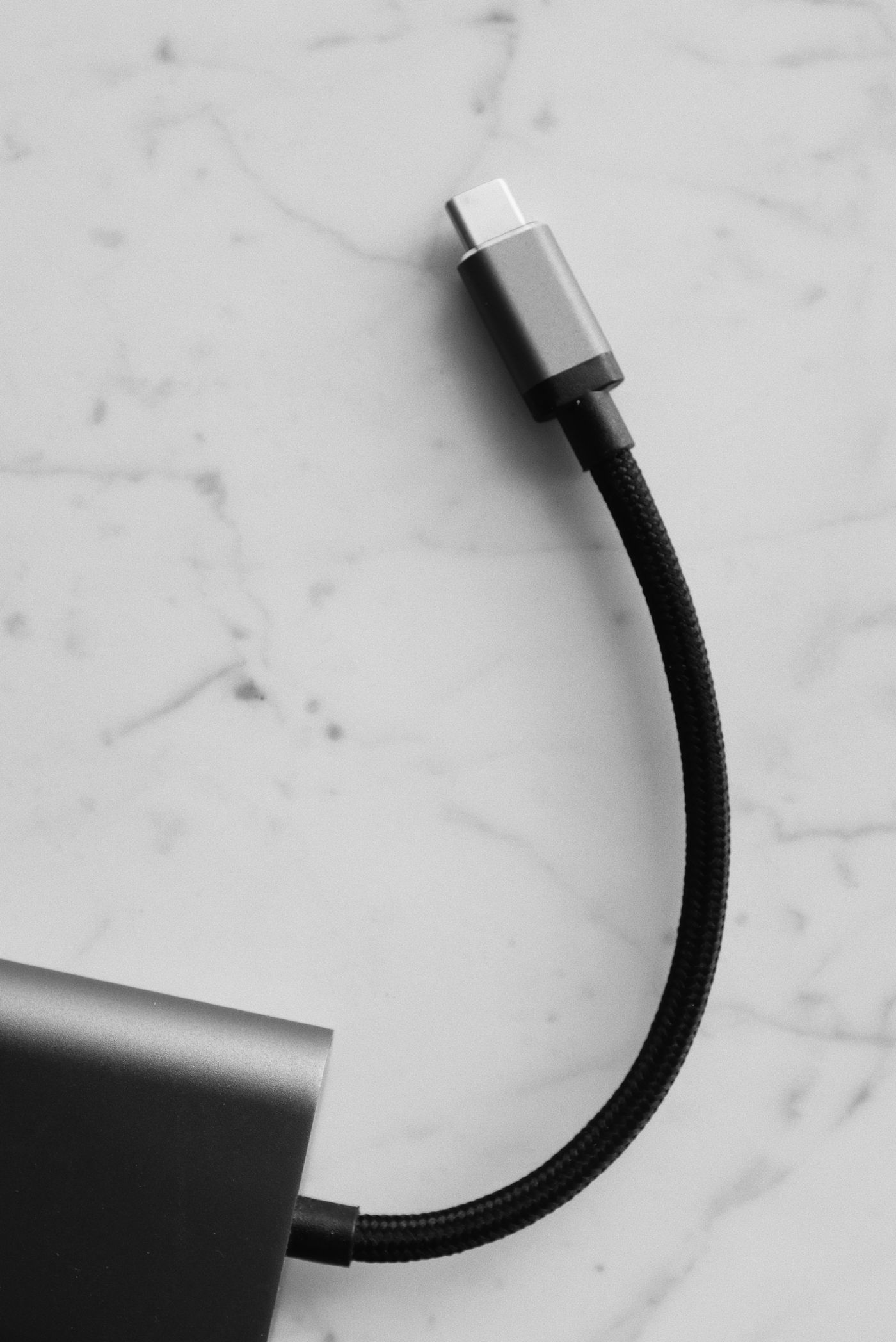
USB-C charging cable used for battery drain and quick-charge testing on both headphones
Battery testing: full-week side-by-side drain comparison with matched volume, ANC, and call settings.
Round 10

Portability & Travel Case

The Bose QuietComfort Ultra's fold-flat hinges genuinely change how it packs. The included case is slim enough to slide into a laptop bag's front pocket without a second thought, and the headphones fold down small enough to hold comfortably in one hand.

The Sony WH-1000XM5 only swivels flat (the earcups rotate 90 degrees but don't fold inward), which means its case — while well-padded and includes a dedicated pouch for the cable — is noticeably bulkier and takes up more backpack space. For frequent flyers who care about pack size, this is a real, everyday difference. Winner: Bose, clearly.

Round 11

Spatial Audio Features

Bose Immersive Audio, exclusive to the QuietComfort Ultra, is a genuinely striking feature the first time you hear it — it takes stereo music and movie audio and spatializes it so sound feels like it's coming from in front of you rather than inside your head. Bose's new Cinema Mode extends this specifically for video content, and it's one of the most convincing spatial-audio implementations on any headphone. The catch is battery drain, covered in Round 06.

Sony's answer is 360 Reality Audio, which requires specially mixed tracks from supported streaming services (Amazon Music, TIDAL, Deezer) rather than working on any stereo source the way Bose's Immersive Audio does. That makes it far less broadly useful in practice — most of your existing music library won't benefit. Winner: Bose, for a spatial feature that works with content you already own.

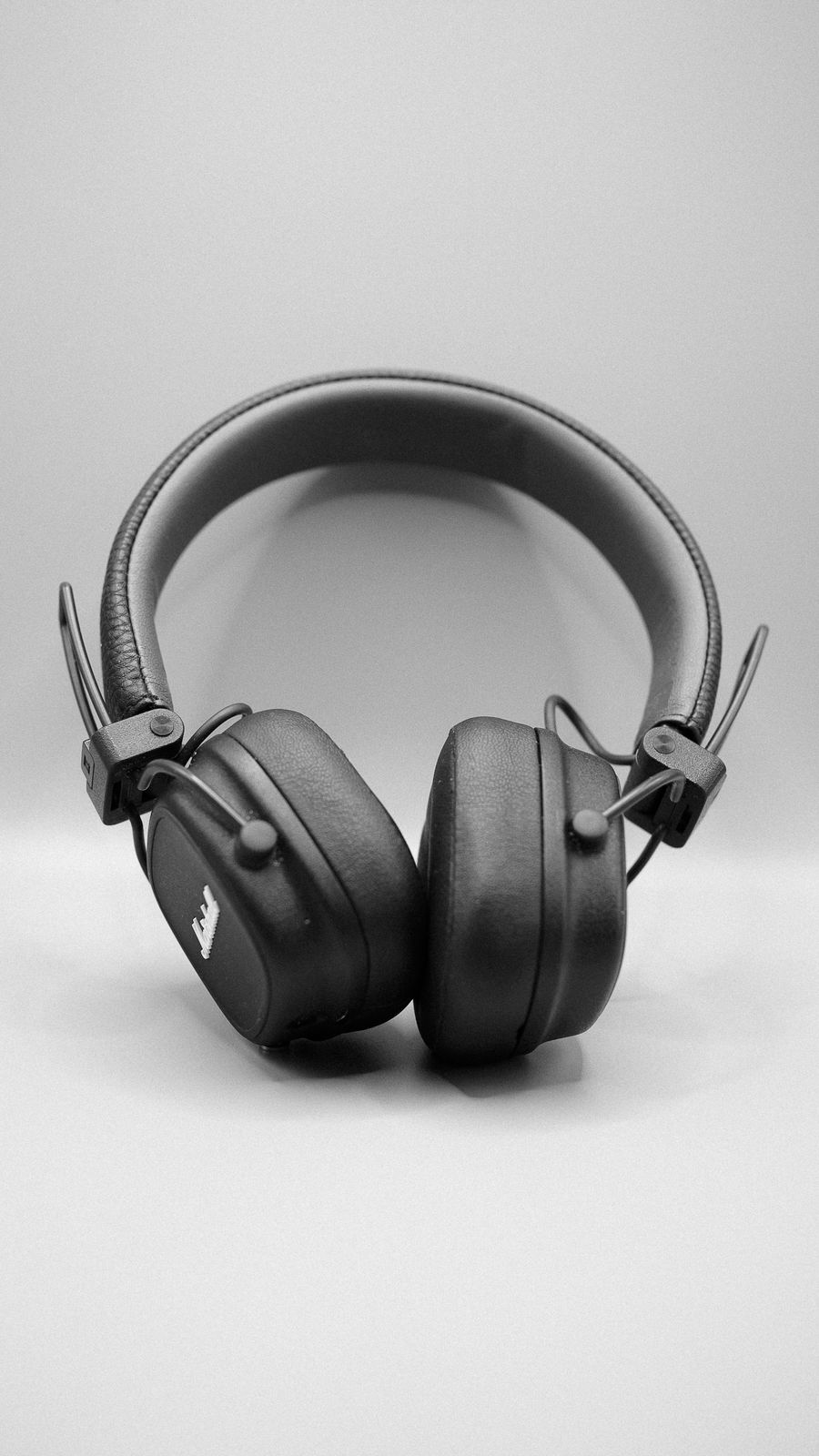
Traveler at the airport wearing headphones during real-world daily-use testing across both headphones
Two weeks of daily wear — commutes, flights, and full workdays — measuring real-world use across both headphones.
Round 12 — Final

Real-World Daily Use

This is the round that matters most, and it's a genuine split decision. After four weeks total of swap-testing, here's what I noticed: on commuting and workday sessions, I unconsciously kept reaching for the Sony. It's lighter, it's more comfortable past hour four, and I never once worried about the battery dying mid-week. On flights and trips, I reached for the Bose — the fold-flat case, the plush pads for a first hour of comfort, and Immersive Audio for movies made it the better travel companion.

The Bose QuietComfort Ultra is the more premium-feeling, more portable, more immersive headphone. If I were buying for travel, I'd buy the Bose. The Sony WH-1000XM5 is the more practical, longer-lasting, more comfortable daily driver — and it's $30 cheaper. If I were buying for daily commuting and work, I'd buy the Sony. This is the honest answer most reviews won't give you: there isn't a single winner, because these two headphones are built for genuinely different use cases.

The right headphones for you depend entirely on how you'll actually use them. If you're commuting daily or working from headphones — get the Sony. If you're traveling frequently or want the most immersive listening experience — get the Bose. Round result: It depends on you.

The final scoreboard

12 rounds of head-to-head testing. Both headphones won meaningful categories. Here's how they stacked up.

Sony
★ Round Winner
5
Round wins · 2 ties
  • 01 · DesignLoss
  • 02 · Comfort✓ Win
  • 03 · ANCLoss
  • 04 · Sound QualityTie
  • 05 · Call Quality✓ Win
  • 06 · Battery✓ Win
  • 07 · Charging✓ Win
  • 08 · Bluetooth/Codec✓ Win
  • 09 · App & PersonalizationLoss
  • 10 · PortabilityLoss
  • 11 · Spatial AudioLoss
  • 12 · Daily UseTie
VS
Bose
★ Round Winner
5
Round wins · 2 ties
  • 01 · Design✓ Win
  • 02 · ComfortLoss
  • 03 · ANC✓ Win
  • 04 · Sound QualityTie
  • 05 · Call QualityLoss
  • 06 · BatteryLoss
  • 07 · ChargingLoss
  • 08 · Bluetooth/CodecLoss
  • 09 · App & Personalization✓ Win
  • 10 · Portability✓ Win
  • 11 · Spatial Audio✓ Win
  • 12 · Daily UseTie

The final verdict: it's a genuine tie — decided by how you listen

The Sony WH-1000XM5 and Bose QuietComfort Ultra tie 5-5 with 2 ties across our 12 rounds, and that reflects reality: these are the two best flagship ANC headphones you can buy right now, built for slightly different people. Sony wins on comfort, battery life, charging speed, call quality, and codec compatibility — it's the better choice for daily commuting and long work sessions at $399.99.

But here's the honest truth most reviews won't give you: "more practical" doesn't mean "better for everyone." The Bose QuietComfort Ultra wins on design, noise cancellation in unpredictable environments, personalization, portability, and spatial audio. If you travel often, care about how your headphones fold into a bag, or want the most immersive listening and movie experience, the QuietComfort Ultra at $429 is worth the extra $30.

The right headphones for you depend on whether you value marathon battery life and comfort, or portability and immersive sound. Read more comparisons on our comparison tool or browse other audio gear on our Electronics category page.

Frequently asked questions

The questions our readers ask most often when choosing between Sony and Bose flagship headphones.

Should I buy the Sony WH-1000XM5 or the Bose QuietComfort Ultra in 2026?

It depends on how you'll use them. If you commute daily, work long hours at a desk, or travel with a phone that supports LDAC, the Sony WH-1000XM5 offers longer battery life, better comfort for extended wear, and clearer phone calls — all for $30 less. If you fly often, want the most polished ANC for unpredictable noise, or care about a headphone that folds flat into a slim case, the Bose QuietComfort Ultra is worth the premium.

Neither is a wrong choice — both are class-leading. See our Sony WH-1000XM5 product page or Bose QuietComfort Ultra product page for current pricing and colors.

Is the Sony WH-1000XM5 or the newer WH-1000XM6 worth buying?

The WH-1000XM6 launched in 2026 with a faster processor, improved ANC, and a new foldable design that finally addresses the XM5's biggest complaint. If fold-flat portability matters to you, it's worth the upgrade. If you don't need it, the WH-1000XM5 remains excellent and is frequently discounted well below its $399.99 launch price, making it the better value pick.

Read our full breakdown in the blog section for a dedicated WH-1000XM5 vs WH-1000XM6 comparison.

Which headphones have better noise cancellation for flying?

Both are excellent on planes. The Sony WH-1000XM5 is slightly better at canceling the steady, low-frequency drone of jet engines thanks to its dual-processor ANC system. The Bose QuietComfort Ultra is slightly better at smoothing out unpredictable cabin noise — crying babies, cart wheels, conversation — thanks to ActiveSense. For pure engine-noise cancellation on long-haul flights, Sony has a small edge; for overall cabin comfort, Bose edges ahead.

What's the difference between Bose Immersive Audio and Sony 360 Reality Audio?

Bose Immersive Audio works on virtually any stereo content — music, movies, podcasts — by processing it in real time to sound like it's coming from in front of you rather than inside your head. Sony's 360 Reality Audio requires specially mixed tracks from supported services like Amazon Music, TIDAL, and Deezer, so it only works with a limited catalog rather than your existing library.

If spatial audio matters to you across everything you listen to, Bose's implementation is far more broadly useful in practice.

Will the Sony WH-1000XM5 feel outdated in a few years?

Unlikely from a performance standpoint — the ANC and sound quality remain genuinely competitive with 2026 flagships. The main long-term concern for either headphone is battery degradation, which typically becomes noticeable after 2-3 years of daily charging cycles. Neither Sony nor Bose currently offers a user-replaceable battery on these models, so factor that into long-term cost of ownership.

Does the foldable design of the Bose actually matter day-to-day?

For most people who mainly wear headphones at a desk or on a short commute, not much — you'll take them off and set them down more often than you'll pack them away. For frequent flyers, gym-bag commuters, or anyone who regularly stuffs headphones into an already-full backpack, the Bose's fold-flat case is a genuine everyday convenience that the Sony's swivel-only design can't match.

Should I wait for a new Sony or Bose model?

The Sony WH-1000XM6 and the second-generation Bose QuietComfort Ultra reviewed here are both already current as of 2026. Each generation typically brings a 10-15% improvement in ANC and battery efficiency rather than a dramatic leap. If either the WH-1000XM5 or the current QuietComfort Ultra fits your needs and budget today, there's little reason to wait — especially since older generations are frequently discounted. Browse current deals on our deals page.

Which has better battery life — Sony or Bose?

Sony wins clearly here. The WH-1000XM5 delivers up to 30 hours with ANC on (40 hours with it off), compared to the Bose QuietComfort Ultra's 24 hours with Immersive Audio off and just 18 hours with it on. In our week-long side-by-side test, the Sony consistently lasted roughly a full extra day of typical commuting before needing a recharge.

What about repair costs and warranties?

Both headphones carry a standard 1-year limited manufacturer warranty covering defects. Out-of-warranty repairs — replacement ear pads, headband, or battery service — typically run $50-100 depending on the part, and both Sony and Bose sell official replacement ear cushions directly. Neither headphone has an IP water-resistance rating, so accidental liquid damage isn't covered and isn't something official repair channels can always fix.

Get our weekly buying guides

Honest comparison reviews like this one, plus the best deals on the products we test. No spam, ever — unsubscribe in one click.