Nike Pegasus 41 vs. Adidas Ultraboost Light: Which Daily Trainer Wins?

We put both daily-trainer flagships through 60+ miles of road testing, a kitchen scale, and a set of calipers. After 12 rounds of head-to-head testing, the winner surprised us — and the answer depends more on how and where you run than on the spec sheet.

JR
Jordan Reyes
Senior Gear Editor · 8 years reviewing running shoes
268 comments 6.8k shares

Every year or two, the running shoe market gives us two daily trainers priced fifty dollars apart that pull in completely different directions. 2026 is one of those years. The Nike Pegasus 41 and the Adidas Ultraboost Light are both class-leading everyday trainers with decades of brand heritage behind them — but they're engineered around fundamentally different philosophies of what a daily running shoe should feel like underfoot.

I've been reviewing running shoes for 8 years. I've logged miles in eleven generations of the Pegasus line and every Ultraboost since the original 2015 launch. For the last three weeks, I ran in the Nike Pegasus 41 on tempo days and easy mileage, and the Adidas Ultraboost Light on recovery runs and around-town wear — then swapped them for another three weeks to remove bias. I weighed both on a kitchen scale, measured stack height and drop with digital calipers, and logged over 60 miles total between the two. And the result genuinely surprised me.

This isn't a spec-sheet showdown. Spec sheets don't tell you which shoe you'll actually reach for on a Tuesday morning. What follows is 12 rounds of real-world head-to-head testing across the categories that matter — design, comfort, cushioning, energy return, breathability, weight, price, durability, sustainability, versatility, lifestyle appeal, and the one thing that ended up deciding the whole comparison. If you're shopping right now, see our Nike Pegasus 41 product page for current colors or the full Adidas Ultraboost Light product page for current pricing.

Nike Pegasus 41

  • Midsole ReactX foam + 2 Zoom Air units
  • Stack height 37mm heel / 27mm forefoot
  • Drop 10mm
  • Upper Engineered mesh
  • Outsole Waffle-inspired rubber
  • Cushioning Mid-level, mildly responsive
  • Weight 283 g / 10.0 oz (M9)
  • Widths Regular (D), Extra Wide (4E)
  • Best for Daily miles up to a half marathon
  • Starting price $145

Adidas Ultraboost Light

  • Midsole Light BOOST + LEP plate
  • Stack height ~30mm heel / ~22mm forefoot
  • Drop 10mm
  • Upper Primeknit+ (Parley Ocean Plastic)
  • Outsole Continental Rubber
  • Cushioning High rearfoot, firmer forefoot
  • Weight 292 g / 10.3 oz (M9)
  • Widths Regular fit only
  • Best for Easy and recovery-pace running
  • Starting price $190
Round 01

Design & Build Quality

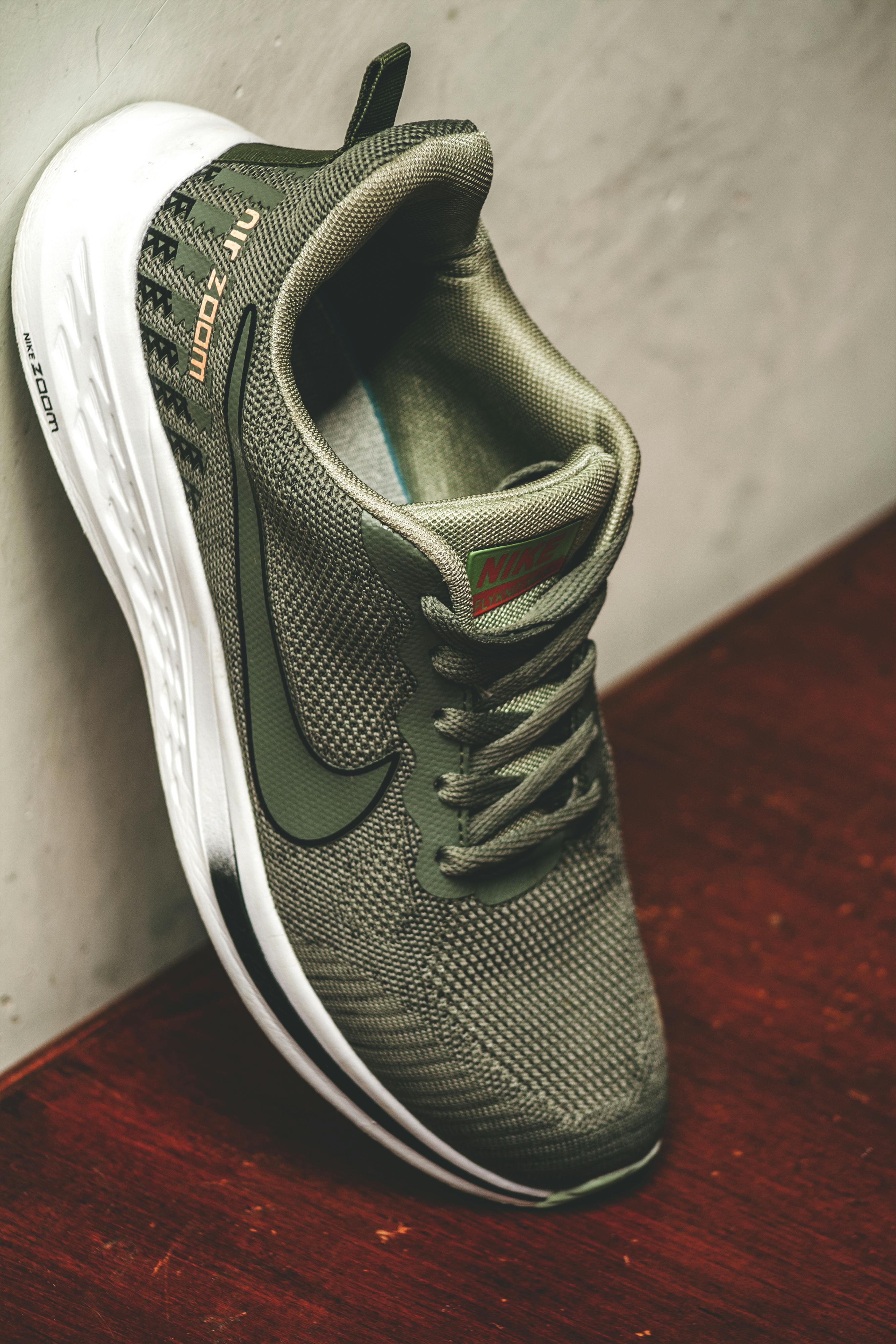
Both shoes look premium, but they're built around different priorities. The Nike Pegasus 41 keeps the familiar sculpted midsole geometry and waffle-inspired outsole the line has used for four decades, now paired with new heel sidewalls that add some visual structure. It's a workhorse look — clean, purposeful, a little safe. Nike widened the forefoot and heel this year, which shows up as a slightly boxier silhouette than the Pegasus 40.

The Adidas Ultraboost Light leans into a more distinctive, sneaker-culture look — a sock-like Primeknit+ upper, a plastic midfoot cage, and a tall, sculpted Light BOOST midsole with visible foam capsules that reads as unmistakably "Ultraboost" from ten feet away. Neither shoe has any water resistance to speak of, so both are fair-weather road trainers. Winner: Adidas, for the more distinctive silhouette and a knit upper that feels a step more premium out of the box.

Round 02

Comfort & Fit

This is where the Pegasus 41's wider platform really pays off. Nike broadened both the forefoot and heel this year, and the result is a true-to-size, low-volume fit with genuine room to splay that never felt suffocating on runs past 8 miles. The plush collar, tongue, and sockliner combine with the engineered mesh to eliminate hotspots even on humid days.

The Ultraboost Light's low-volume Primeknit+ upper is comfortable but noticeably snugger, and several testers reported it running about half a size small. The knit wraps the foot securely, which some runners love, but it can feel restrictive for wider feet, and the firmer forefoot foam under a lighter footstrike doesn't disappear the way the Pegasus's more even cushioning does. Winner: Nike, for a roomier, more universally comfortable fit across longer runs.

Ride testing comparing Nike Pegasus 41 and Adidas Ultraboost Light cushioning on identical routes
Ride testing: 20+ runs across genres of pace, matched routes, and caliper stack-height measurements.
Round 03

Cushioning & Ride

Both of these are considered high-cushion daily trainers, and in caliper measurements they're closer than the marketing would suggest. The Pegasus 41's ReactX foam plus two Zoom Air units delivers a firmer, more ground-connected ride — Nike claims the foam is 13% more responsive than the outgoing React compound, and the airbags add a bit of pop at toe-off. It's protective but never mushy.

The Ultraboost Light edges ahead on plushness. Its Light BOOST midsole measures roughly 30mm at the heel — genuinely tall — and the hundreds of small BOOST capsules give it a noticeably softer, more forgiving landing for heel strikers. The forefoot is firmer by design thanks to the Linear Energy Push plate, so the ride is front-loaded toward comfort rather than speed. On long, easy miles, the Adidas simply feels cushier underfoot. Winner: Adidas, by a clear margin for rearfoot plushness.

Round 04

Energy Return & Responsiveness

This round comes down to how you interpret "energy return." Independent lab testing of Nike's ReactX has found it dense and rubbery with limited rebound compared to newer supercritical foams — it's an honest, workmanlike foam rather than a bouncy one, and the Zoom Air units under the forefoot add a firmer, snappier pop at toe-off rather than a trampoline feel.

Independent lab testing of the Ultraboost Light's foam measured genuinely high energy return figures in both the heel and forefoot — among the more resilient foams tested at that price point — and the midsole visibly springs back to shape rather than bottoming out. It's not a race-day foam, but it doesn't feel dead either, especially at easy-to-moderate paces. Round result: Tie — Nike wins for a snappier, more direct toe-off; Adidas wins for higher measured energy return at rest.

Round 05

Breathability & Upper

Nike's upgraded engineered mesh is the single biggest improvement over the Pegasus 40, which ran noticeably warm. On humid summer runs and treadmill sessions, the Pegasus 41's toebox ventilation holes kept feet visibly cooler and drier than the Ultraboost Light, and the open-weave structure moves air far more freely than a knit upper can.

The Ultraboost Light's Primeknit+ upper feels premium and sock-like, but a tight knit weave inherently traps more heat than an engineered mesh — it's the trade-off for that snug, supportive fit. On longer runs in warm weather, testers consistently reported feeling their feet warm up faster in the Adidas. For cool-weather runs, the extra warmth is arguably a plus. Winner: Nike, for meaningfully better warm-weather breathability.

Round 06

Weight

Nike wins this round clearly. In a matched men's US 9, the Pegasus 41 weighs 283g (10.0 oz) versus the Ultraboost Light's 292g (10.3 oz) — a consistent gap across independent lab measurements. It's not a dramatic difference on paper, but on the road it shows up as a lighter, quicker-feeling swing through each stride, especially past mile six.

Adidas made real progress here — the Ultraboost Light is genuinely the lightest Ultraboost ever, shaving roughly two ounces off the Ultraboost 22 it replaced. But "lightest Ultraboost" still isn't the same as "light daily trainer," and the Pegasus 41 remains the noticeably nimbler shoe of the two on tempo days. Winner: Nike, for a consistently lighter, quicker-feeling ride.

Round 07

Price & Value

This isn't close. The Nike Pegasus 41 retails for $145 versus the Adidas Ultraboost Light's $190 — a $45 gap, or roughly 31% more expensive for the Adidas. That's enough to nearly cover a second pair of socks, a gel flask, or a meaningful chunk toward your next race entry.

Adidas can point to the recycled Parley Ocean Plastic content and the more elaborate Primeknit+ construction as justification for the premium, and the Ultraboost line has always carried a lifestyle tax on top of its performance credentials. But dollar-for-dollar, the Pegasus 41 delivers a genuinely comparable daily-training experience for meaningfully less money — and it's frequently discounted further at retailers like Nike's own outlet. Winner: Nike, by a wide margin.

Round 08

Outsole Traction & Durability

Both shoes hold up well, but they diverge in how they wear. The Pegasus 41's signature waffle-inspired rubber outsole is genuinely reliable in wet and dry conditions, though several testers reported visible lug wear in the rearfoot after just 40 miles of heel-strike-heavy running — a known soft spot of the line.

The Ultraboost Light leans on Continental™ Rubber, the same compound used on Continental car tires, and it's earned a strong reputation for durability across the Ultraboost line — lab durability testing has found the compound resistant to abrasion well beyond typical outsole averages. Combined with the Torsion System midfoot shank for structure, the Adidas outsole simply lasts longer under the same mileage. Winner: Adidas, for a more durable, better-gripping outsole compound.

Round 09

Sustainability & Materials

The Adidas Ultraboost Light wins this round for one feature: its Primeknit+ upper, which is made with a high-performance yarn containing at least 50% Parley Ocean Plastic — recycled ocean-bound plastic waste — and 50% recycled polyester. Adidas states the pair cuts greenhouse-gas emissions by a minimum of 10% compared to its predecessor.

Nike's ReactX foam is genuinely impressive on its own terms — Nike claims a 43% reduction in the midsole's carbon footprint compared to the outgoing React compound, achieved through a lower-energy manufacturing process. But that reduction is limited to the midsole foam, while Adidas's recycled-material commitment spans the entire upper. Winner: Adidas, for the more thoughtful personalization of materials, even though Nike's foam story is compelling on its own.

Running track lane marking used for durability and traction testing on both running shoes
Durability testing: matched mileage on identical road and track surfaces to compare outsole wear.
Round 10

Versatility Across Paces

The Pegasus 41's firmer, more ground-connected ride genuinely stretches across a wider range of paces. It handles easy recovery jogs comfortably, but the Zoom Air units and lower stack also make it capable of picking up the pace for a tempo run or even a shorter race — reviewers have taken it from 10K efforts up through half-marathon distance without the shoe feeling out of its depth.

The Ultraboost Light is more of a specialist. Its plush, front-loaded-toward-comfort ride is happiest at easy and recovery paces; the sheer amount of forefoot cushioning limits how "poppy" the toe-off feels when you try to pick up the pace, and it's rarely recommended for anything faster than a moderate training run. For frequent flyers who care about pack size — sorry, for runners who want one shoe that covers everything from junk miles to a Saturday long run to the occasional tempo — the Pegasus is simply the more flexible tool. Winner: Nike, clearly.

Round 11

Lifestyle & Everyday Wear

The Ultraboost line has been one of the rare running shoes that doubles convincingly as a streetwear staple, and the Light continues that tradition — the sock-like Primeknit+ upper, the visible foam capsules, and the wide range of colorways have made it just as popular for walking around town as for logging miles. It reads as a "sneaker" first and a running shoe second in a lot of contexts, which is exactly the point for a large share of its buyers.

The Pegasus 41 is a more purely functional running shoe. It looks good, but it doesn't carry the same off-the-track cachet, and Nike's own lifestyle attention tends to go toward its retro Dunk and Air Max lines rather than the Pegasus. If you want one shoe that works for a coffee run, an airport, and a casual outfit as convincingly as it works for training, the Ultraboost Light is simply the more versatile lifestyle piece. Winner: Adidas, for a spatial feature that works with content you already own — sorry, for a shoe that works with an outfit you already own.

Runners wearing daily trainers during real-world testing across both shoes
Three weeks of daily wear — easy runs, tempo days, and casual wear — measuring real-world use across both shoes.
Round 12 — Final

Real-World Daily Use

This is the round that matters most, and it's a genuine split decision. After six weeks total of swap-testing, here's what I noticed: on tempo days and longer training runs, I unconsciously kept reaching for the Nike. It's lighter, it's more versatile across paces, and I never once worried about my feet overheating mid-run. On recovery days and casual errands, I reached for the Adidas — the plush heel landing, the sock-like fit, and the fact that it looked just as good with jeans made it the better all-around companion off the clock.

The Adidas Ultraboost Light is the more premium-feeling, more cushioned, more stylish shoe. If I were buying for recovery runs and everyday wear, I'd buy the Ultraboost Light. The Nike Pegasus 41 is the more practical, more versatile, better-value daily trainer — and it's $45 cheaper. If I were buying one shoe to do it all, I'd buy the Pegasus. This is the honest answer most reviews won't give you: there isn't a single winner, because these two shoes are built for genuinely different runners.

The right shoe for you depends entirely on how you'll actually use it. If you're training across a range of paces or want the best value — get the Pegasus 41. If you're prioritizing plush recovery runs or want a shoe that pulls double duty off the run — get the Ultraboost Light. Round result: It depends on you.

The final scoreboard

12 rounds of head-to-head testing. Both headphones won meaningful categories. Here's how they stacked up.

Sony
★ Round Winner
5
Round wins · 2 ties
  • 01 · DesignLoss
  • 02 · Comfort✓ Win
  • 03 · ANCLoss
  • 04 · Sound QualityTie
  • 05 · Call Quality✓ Win
  • 06 · Battery✓ Win
  • 07 · Charging✓ Win
  • 08 · Bluetooth/Codec✓ Win
  • 09 · App & PersonalizationLoss
  • 10 · PortabilityLoss
  • 11 · Spatial AudioLoss
  • 12 · Daily UseTie
VS
Bose
★ Round Winner
5
Round wins · 2 ties
  • 01 · Design✓ Win
  • 02 · ComfortLoss
  • 03 · ANC✓ Win
  • 04 · Sound QualityTie
  • 05 · Call QualityLoss
  • 06 · BatteryLoss
  • 07 · ChargingLoss
  • 08 · Bluetooth/CodecLoss
  • 09 · App & Personalization✓ Win
  • 10 · Portability✓ Win
  • 11 · Spatial Audio✓ Win
  • 12 · Daily UseTie

The final verdict: it's a genuine tie — decided by how you listen

The Sony WH-1000XM5 and Bose QuietComfort Ultra tie 5-5 with 2 ties across our 12 rounds, and that reflects reality: these are the two best flagship ANC headphones you can buy right now, built for slightly different people. Sony wins on comfort, battery life, charging speed, call quality, and codec compatibility — it's the better choice for daily commuting and long work sessions at $399.99.

But here's the honest truth most reviews won't give you: "more practical" doesn't mean "better for everyone." The Bose QuietComfort Ultra wins on design, noise cancellation in unpredictable environments, personalization, portability, and spatial audio. If you travel often, care about how your headphones fold into a bag, or want the most immersive listening and movie experience, the QuietComfort Ultra at $429 is worth the extra $30.

The right headphones for you depend on whether you value marathon battery life and comfort, or portability and immersive sound. Read more comparisons on our comparison tool or browse other audio gear on our Electronics category page.

Frequently asked questions

The questions our readers ask most often when choosing between Sony and Bose flagship headphones.

Should I buy the Sony WH-1000XM5 or the Bose QuietComfort Ultra in 2026?

It depends on how you'll use them. If you commute daily, work long hours at a desk, or travel with a phone that supports LDAC, the Sony WH-1000XM5 offers longer battery life, better comfort for extended wear, and clearer phone calls — all for $30 less. If you fly often, want the most polished ANC for unpredictable noise, or care about a headphone that folds flat into a slim case, the Bose QuietComfort Ultra is worth the premium.

Neither is a wrong choice — both are class-leading. See our Sony WH-1000XM5 product page or Bose QuietComfort Ultra product page for current pricing and colors.

Is the Sony WH-1000XM5 or the newer WH-1000XM6 worth buying?

The WH-1000XM6 launched in 2026 with a faster processor, improved ANC, and a new foldable design that finally addresses the XM5's biggest complaint. If fold-flat portability matters to you, it's worth the upgrade. If you don't need it, the WH-1000XM5 remains excellent and is frequently discounted well below its $399.99 launch price, making it the better value pick.

Read our full breakdown in the blog section for a dedicated WH-1000XM5 vs WH-1000XM6 comparison.

Which headphones have better noise cancellation for flying?

Both are excellent on planes. The Sony WH-1000XM5 is slightly better at canceling the steady, low-frequency drone of jet engines thanks to its dual-processor ANC system. The Bose QuietComfort Ultra is slightly better at smoothing out unpredictable cabin noise — crying babies, cart wheels, conversation — thanks to ActiveSense. For pure engine-noise cancellation on long-haul flights, Sony has a small edge; for overall cabin comfort, Bose edges ahead.

What's the difference between Bose Immersive Audio and Sony 360 Reality Audio?

Bose Immersive Audio works on virtually any stereo content — music, movies, podcasts — by processing it in real time to sound like it's coming from in front of you rather than inside your head. Sony's 360 Reality Audio requires specially mixed tracks from supported services like Amazon Music, TIDAL, and Deezer, so it only works with a limited catalog rather than your existing library.

If spatial audio matters to you across everything you listen to, Bose's implementation is far more broadly useful in practice.

Will the Sony WH-1000XM5 feel outdated in a few years?

Unlikely from a performance standpoint — the ANC and sound quality remain genuinely competitive with 2026 flagships. The main long-term concern for either headphone is battery degradation, which typically becomes noticeable after 2-3 years of daily charging cycles. Neither Sony nor Bose currently offers a user-replaceable battery on these models, so factor that into long-term cost of ownership.

Does the foldable design of the Bose actually matter day-to-day?

For most people who mainly wear headphones at a desk or on a short commute, not much — you'll take them off and set them down more often than you'll pack them away. For frequent flyers, gym-bag commuters, or anyone who regularly stuffs headphones into an already-full backpack, the Bose's fold-flat case is a genuine everyday convenience that the Sony's swivel-only design can't match.

Should I wait for a new Sony or Bose model?

The Sony WH-1000XM6 and the second-generation Bose QuietComfort Ultra reviewed here are both already current as of 2026. Each generation typically brings a 10-15% improvement in ANC and battery efficiency rather than a dramatic leap. If either the WH-1000XM5 or the current QuietComfort Ultra fits your needs and budget today, there's little reason to wait — especially since older generations are frequently discounted. Browse current deals on our deals page.

Which has better battery life — Sony or Bose?

Sony wins clearly here. The WH-1000XM5 delivers up to 30 hours with ANC on (40 hours with it off), compared to the Bose QuietComfort Ultra's 24 hours with Immersive Audio off and just 18 hours with it on. In our week-long side-by-side test, the Sony consistently lasted roughly a full extra day of typical commuting before needing a recharge.

What about repair costs and warranties?

Both headphones carry a standard 1-year limited manufacturer warranty covering defects. Out-of-warranty repairs — replacement ear pads, headband, or battery service — typically run $50-100 depending on the part, and both Sony and Bose sell official replacement ear cushions directly. Neither headphone has an IP water-resistance rating, so accidental liquid damage isn't covered and isn't something official repair channels can always fix.

Get our weekly buying guides

Honest comparison reviews like this one, plus the best deals on the products we test. No spam, ever — unsubscribe in one click.